Most scientific studies are designed with the “average” brain in mind. This often leaves neurodivergent individuals struggling to adapt to a world that was not built for them.
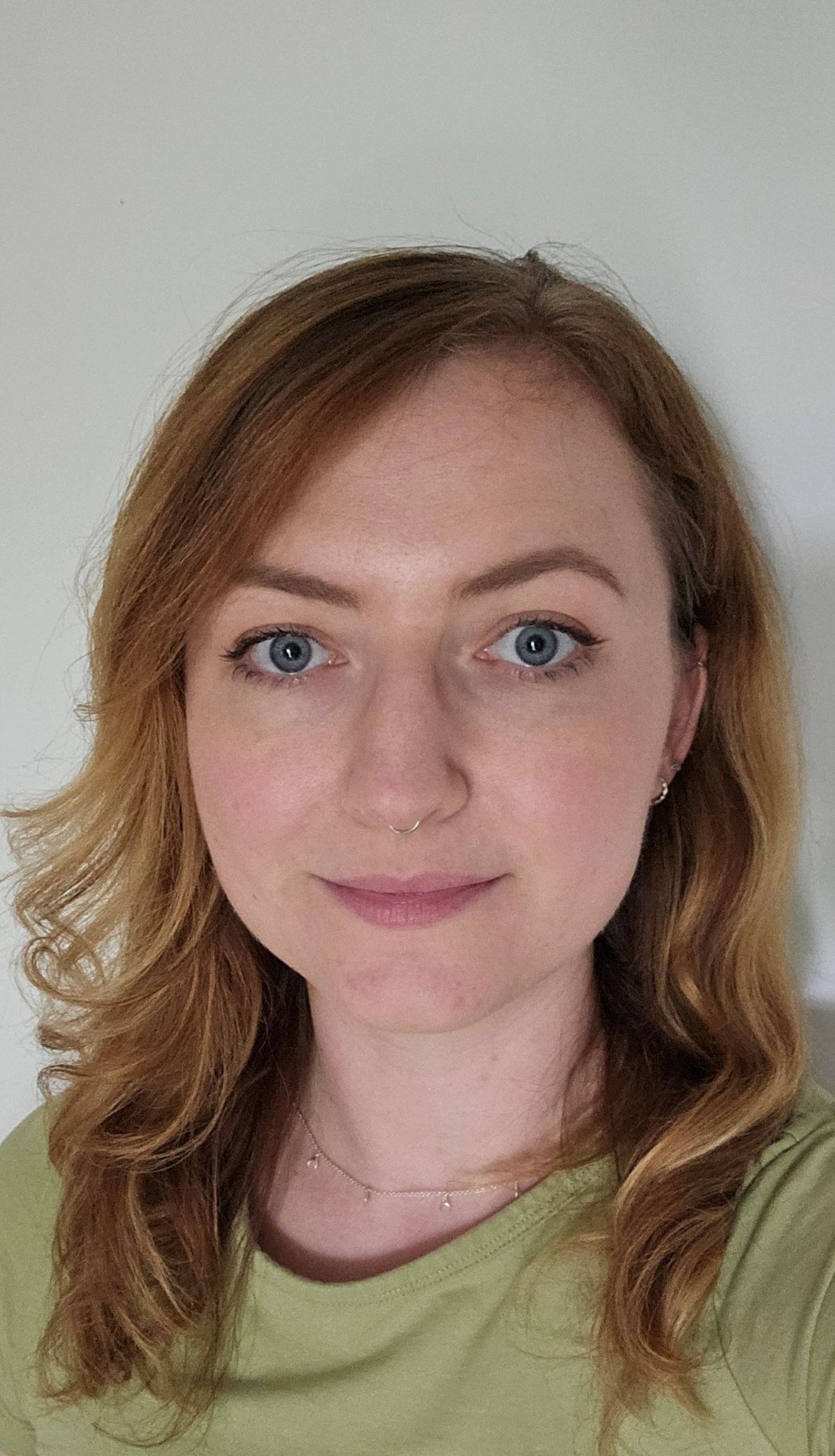
A new methodological approach, created by Jessica Dark, aims to change this dynamic. Instead of expecting participants to conform to rigid rules, this framework asks researchers to adapt their methods to the person.
It represents a significant shift in how we understand and conduct psychological research.

Key Points
- Traditional research methods often treat neurodivergent participants as passive data sources instead of active knowledge contributors.
- Dark’s new framework focuses on specific cognitive traits like sensory processing and attention styles rather than medical diagnostic labels.
- The model uses a three-stage process to map study demands and identify potential barriers to participation.
- Research designed with these traits in mind creates a safer environment and produces more authentic and accurate data.
- Meaningful inclusion requires a shift toward relational ethics and trust between the researcher and the participant.
Breaking the Mold of Traditional Science
For decades, science has often viewed participants as passive objects to be measured. In studies involving neurodivergent people, researchers frequently rely on medical labels like ADHD, dyslexia, or autism.
These labels describe a diagnosis, but they do not explain how a person actually experiences a conversation or a task.
This original methodological contribution introduces the Neuro-Cognitive Trait Interaction Model, or NCTIM, developed by Dark (2025).
It is a flexible, values-based framework that centers lived experience. Rather than focusing on what a person “has,” it focuses on how a person “processes”.
A Tailored Approach to the Human Mind
The NCTIM acts as a guide for creating research that fits the participant. It is grounded in the neurodiversity paradigm, which recognizes neurological differences as natural forms of human variation.
This approach challenges the idea that there is one “correct” way for a brain to function.
Think of this model like a custom-tailored suit for science. It examines the “interaction fit” between what a study asks and what a participant’s brain needs.
It looks at traits such as communication preferences, executive functioning, and sensory processing. By focusing on these specific elements, researchers can reduce the friction that often prevents neurodivergent people from sharing their true insights.
The Three Stages of Discovery
The model leads researchers through a recursive and reflexive process. This ensures that inclusion is woven into the very fabric of the study from the beginning.
- Mapping Study Demands: The first stage requires researchers to list every requirement of their study. They look at timelines, communication methods, and physical settings. They identify which parts of the study are fixed and which parts can be changed to support the participant.
- Identifying Trait Interactions: Researchers then reflect on how these demands might clash with a participant’s cognitive style. For instance, a timed interview might be a barrier for someone who needs extra time to organize their thoughts. This step surfaces potential challenges before they cause discomfort or exclusion.
- Embedding Responsive Features: In the final stage, the researcher builds in supportive features. This might include sharing questions in advance or offering sensory breaks during the session. These adjustments allow the participant to engage in a way that feels safe and authentic.
Lessons from Autistic Women in the Workplace
Jessica Dark demonstrated its power through her doctoral research with autistic women.
She explored their experiences with disclosing their diagnosis at work. Standard research in this field often favors rigid, quantitative methods that can be exclusionary.
By using the NCTIM, she offered participants more flexibility. She provided options for written responses and conducted interviews online to support different communication needs.
Some participants were even given the choice to respond via text box rather than speaking aloud.
This approach respected their energy levels and allowed them to share their knowledge without the stress of meeting neurotypical social expectations.
Building Trust Through Relational Ethics
Inclusion should not just be running through a checklist, and should instead be a dynamic process shaped by trust and psychological safety.
This is known as “relational inclusion”. It asks not just if a person is included, but how it feels for them to be there.
When researchers prioritize this relationship, they create an environment where participants can be themselves.
This leads to what the framework calls “epistemic justice”. It means recognizing that every person is a credible authority on their own life.
When science listens more carefully, the data it collects becomes much more meaningful.
Why it matters
When we design research with the neurodivergent brain in mind, we create a more accurate and ethical science.
This matters deeply for mental health because feeling misunderstood or forced to “mask” is a major source of stress for many people.
By respecting how different brains work, we can build a world that values diversity instead of demanding conformity.
These findings help clinicians and researchers treat every individual with the dignity and grace they deserve.
Reference
Dark, J. (2025). Inclusion by design a-neuro-cognitive trait interaction approach-to neurodivergent research. Methodological Innovations, 18(4), 253-263. https://doi.org/10.1177/20597991251396144