Digital minimalism is a way of using technology with purpose.
The main idea is that your tech habits should be guided by what truly matters to you, rather than by every notification or app demanding your attention.
Instead of spreading your time across lots of low-value digital activities, you focus on a small number of tools and behaviours that genuinely support your goals and values.
A helpful way to think about it is: start with your values, then choose the technology that supports them — not the other way around.
| Digital Minimalism | Simple Digital Detox |
|---|---|
| A long-lasting approach to shaping your digital life around what matters most. | A short break from technology. |
| To rebuild your digital habits so they support a meaningful, intentional life. | To temporarily reduce screen time or escape digital overload. |
| Starts with a structured 30-day Digital Declutter to reflect, reset, and experiment. | Usually just means stepping away from tech for a set period. |
| Any technology you add back must “earn its place”, often with clear rules (e.g., only checking social media on a laptop). | People often slip back into old habits once the detox ends. |
Core Principles
According to Cal Newport, digital Minimalism is about taking control of your digital life so that technology serves you, not the other way around.
At its heart, it’s guided by three key ideas:
1. Start with What Matters Most
Instead of asking “How useful is this app?” ask yourself “What really matters to me?”
Digital Minimalism begins by identifying your core values: the things that give your life meaning.
Once you’re clear on those, any technology you use must earn its place by supporting those values, rather than distracting you from them.
2. Do More with Less
It’s better to focus on a few tools and activities that give you a lot of value than to spread yourself thin across many small digital distractions.
This means choosing apps, platforms, and habits that genuinely enhance your life and ignoring the rest.
Quality over quantity is the key.
3. Make Time for Solitude and Meaningful Leisure
When you remove low-value digital habits, you create space for things that really enrich your life.
Digital Minimalism encourages solitude, time alone without constant input from screens or other peopl, because it allows you to reflect, think deeply, and grow.
It also encourages high-quality leisure, like hobbies, learning, or connecting with people in real life, instead of mindlessly scrolling.
30-day digital declutter
The 30-day digital declutter is the first step in practicing digital minimalism.
It’s a period where you take a break from all non-essential digital tools, things like social media, streaming apps, or online news—for 30 days.
The declutter is not a simple detox.
Its purpose is to generate insights that allow for permanent, values-based changes in how you use technology.
Without a careful, intentional reintroduction of tools that truly support your core values, most people will revert to old habits.
The purpose of the declutter
Modern technology is designed to capture your attention constantly.
The declutter gives your mind a break from this endless stream of notifications and distractions, helping you regain control over where your attention goes.
By stepping back, you learn to notice how often you’re pulled into low-value digital activities and retrain your focus toward meaningful pursuits.
Step 1: Break from Optional Tech
The goal is to step away from digital tools that you mainly use for entertainment, casual scrolling, or passive information intake.
During this month, it’s recommended to pause or delete apps that aren’t essential, particularly:
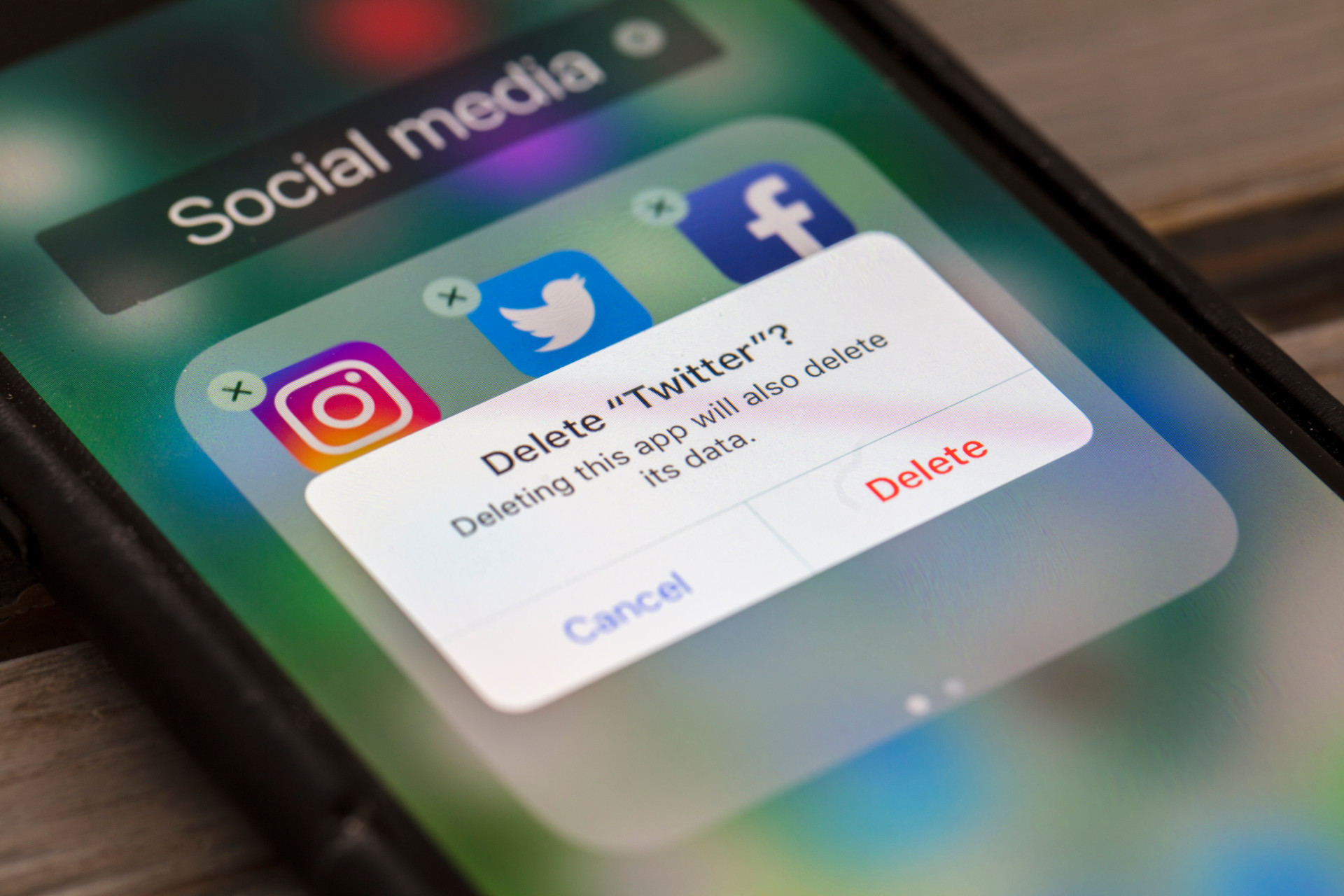
- Social media: platforms like Instagram, X (formerly Twitter), Facebook, and TikTok. These apps are designed to be addictive, which can lower focus and increase frustration.
- Online news feeds: constant updates can pull you into low-value scrolling. Replacing instant access with slower, intentional alternatives, e.g., listening to a news podcast instead of constantly checking news feeds.
- Streaming video apps: binge-watching can take up hours without adding real value.
- Any app where usage directly increases profit for the company: if an app benefits financially the more you use it, it’s likely engineered to be distracting.
Reflection and Experimentation
During the 30 days, you are encouraged to intentionally fill your time with high-quality, offline activities.
This could be hobbies, creative projects, physical exercise, reading, or social connection in real life.
The aim is to explore what genuinely brings satisfaction, joy, or personal growth, rather than relying on mindless scrolling or passive consumption.
This aggressive pursuit of alternatives helps reveal your true priorities and values.
During this exploration, many participants find new ways to spend their time that replace low-value digital habits:
- Reading: Rediscovering the pleasure of reading physical books, often from the library.
- Creative Hobbies: Reengaging with hobbies like painting, coding, journaling, sewing, or playing an instrument.
- Meaningful Connections: Spending focused, quality time with family, friends, or children—actively choosing presence over device distraction.
Personal experiences
- Older adults often find the declutter a chance to revisit past hobbies or offline interests, enjoying a sense of rediscovery.
- Younger people, who may never have known life without constant digital connection, can find it challenging or even frightening. For them, preparation is key: identifying meaningful offline activities before the declutter can prevent feelings of anxiety or emptiness.
Step 2: The Strategic Reintroduction
After the 30 days, technology must “earn its way back”.
Any app, platform, or device you reintroduce should meet a clear standard: it must actively support or amplify your core life values.
For example, a social media app might be allowed only if it helps you maintain genuine friendships or pursue professional goals, rather than simply consuming time.
Consider removing apps from smartphones and using them only on desktop computers, making access less convenient.
In essence, the Digital Declutter is a practice in self-awareness and intentional living, creating space to evaluate your relationship with technology and ensure it serves your life, rather than controls it.
The Minimalist Technology Check
To make sure technology adds real value, you use a three-step screening process:
- Serve Deep Value: The tool must directly support something you deeply care about. Minor or convenience-based benefits aren’t enough.
- Be the Best Way: It should be the best way to support that value. If a simpler or non-digital method works better, use that instead.
- Constrained Role: If you keep it, set strict rules (a standard operating procedure) for when and how it’s used. For example, checking platforms on a set schedule, like once a week.
setting boundaries for email and text messaging
Setting boundaries for email and messaging is key to avoiding constant distractions and the mental fatigue that comes from trying to respond to everything immediately.
The goal isn’t just self-discipline – it’s about changing how work flows and managing other people’s expectations.
Boundaries for Email
Emails often create a chaotic back-and-forth that breaks focus.
These strategies help you regain control:
- Use the One-Message Rule: If a topic can’t be resolved in a single email, move it to a call or scheduled meeting instead.
- Set Office Hours: Pick specific times each day or week to check emails and respond. Anything urgent that breaks the one-message rule can wait until these slots.
- Prioritise Clarity Over Speed: Instead of replying immediately, tell people when they can expect an answer (e.g., “I’ll handle this in two weeks”). Clear timelines reduce anxiety for both parties.
- Plan the Process Upfront: When working on tasks that involve multiple steps or people, plan ahead. Instead of sending emails one question at a time, write an initial email that outlines the full process to reduce back-and-forth messages, prevent confusion, and save time for both you and the recipients. It turns your email into a clear roadmap rather than a series of interruptions.
- Use a Trusted Task System: Don’t let your inbox act as a to-do list. Move tasks into a task manager (like Trello or any digital list) so your mind can stop worrying about them.
Boundaries for Text Messaging
Texting can trigger strong social cues that make you feel like you must always be available.
Here’s how to manage it:
- Remove Constant Access: Keep your phone in a fixed spot at home (like a kitchen counter) instead of in your pocket. This breaks the habit of checking it automatically.
- Set Clear Expectations: Let people know when you’ll read messages (e.g., during scheduled breaks) and when you won’t.
- Create a High-Friction Backup: For emergencies, use a method that’s harder to trigger, like a phone call that can bypass Do Not Disturb. This ensures you’re reachable for true emergencies without constant interruptions.
- Use Texts for Quick Logistics: Keep texting for simple coordination, like confirming a meeting or letting someone know you’re running late, not for long conversations.
Benefits
Digital minimalism reduces distractions, boosts focus, lowers stress, and helps you use technology in a way that genuinely supports your goals and values.
Cognitive and Work Benefits
- Better Focus and Concentration: By cutting out constant digital distractions, you protect time for deep work: uninterrupted periods to focus on important tasks. This strengthens concentration and can give a real advantage over peers who are constantly switching between apps and notifications.
- Less Mental Fatigue: Constantly switching attention between emails, messages, and apps is exhausting. Digital Minimalism reduces this “mental tug-of-war,” leaving you with more energy and clarity.
- More Solitude for Thinking: Having quiet, uninterrupted time—free from other people’s input—helps your brain process ideas, reflect, and generate insights. Solitude is key for self-development and problem-solving.
Psychological and Personal Benefits
- Take Back Control: You decide which tools you use and how, instead of letting apps or notifications control your day. This restores a sense of personal autonomy.
- Lower Stress and Anxiety: Fewer distractions and constant notifications reduce stress. You stop feeling the pressure to reply immediately, turning a chaotic digital life into a manageable system.
- Clarity About What Matters: The 30-day Digital Declutter encourages reflection, helping you understand your core values. This makes it easier to decide which apps or tools actually deserve your time.
- Long-Term Change: Unlike a short-term digital detox, Digital Minimalism builds a values-based foundation for lasting improvements in how you use technology.
How do I handle the Fear Of Missing Out?
The best way to handle the Fear of Missing Out (FOMO) is to shift your mindset from trying to do everything (maximalism) to focusing on what really matters to you (intentionality and minimalism).
FOMO happens because we worry that missing even small opportunities is a loss.
This often leads to endless scrolling and checking apps to avoid “missing out.” Digital Minimalism helps by changing the way you think about technology and information.
Practical Ways to Beat FOMO
- Focus on What Truly Matters: Instead of letting fear guide your choices, start with a clear idea of your core values. Let technology serve these values, not distract from them. When you focus on what’s genuinely important, missing minor events feels less significant.
- Accept Trade-Offs: Choosing a few high-value activities over many low-value ones means you will miss out on small conveniences—but that’s okay. The benefits of focusing your time and energy on what really matters far outweigh what you skip.
- Change How You Consume Information: Many apps and platforms are designed to make you feel like you must check them constantly. Resist that pressure. Instead, consume information more slowly and deliberately. Consolidate what you check so you aren’t pulled in a hundred directions at once.
- Be Harder to Reach (Sometimes): Constantly checking messages often comes from the fear of missing something urgent. But being clear about when and how you’re available is usually better than being always reachable. If something truly matters, people will find a way to contact you.
Reference
Newport, C. (2024). Slow productivity. Alisio.
Newport, C. (2019). Digital minimalism: Choosing a focused life in a noisy world. Penguin.

