A recent qualitative study invites us into the homes of nine families in Nepal to understand the “lived experience” of raising an autistic child.
Using a descriptive phenomenological approach, researchers moved beyond cold statistics to capture the raw, emotional narratives of these caregivers.
The findings paint a vivid picture of resilience tested by a lack of resources and deep-seated social stigma.
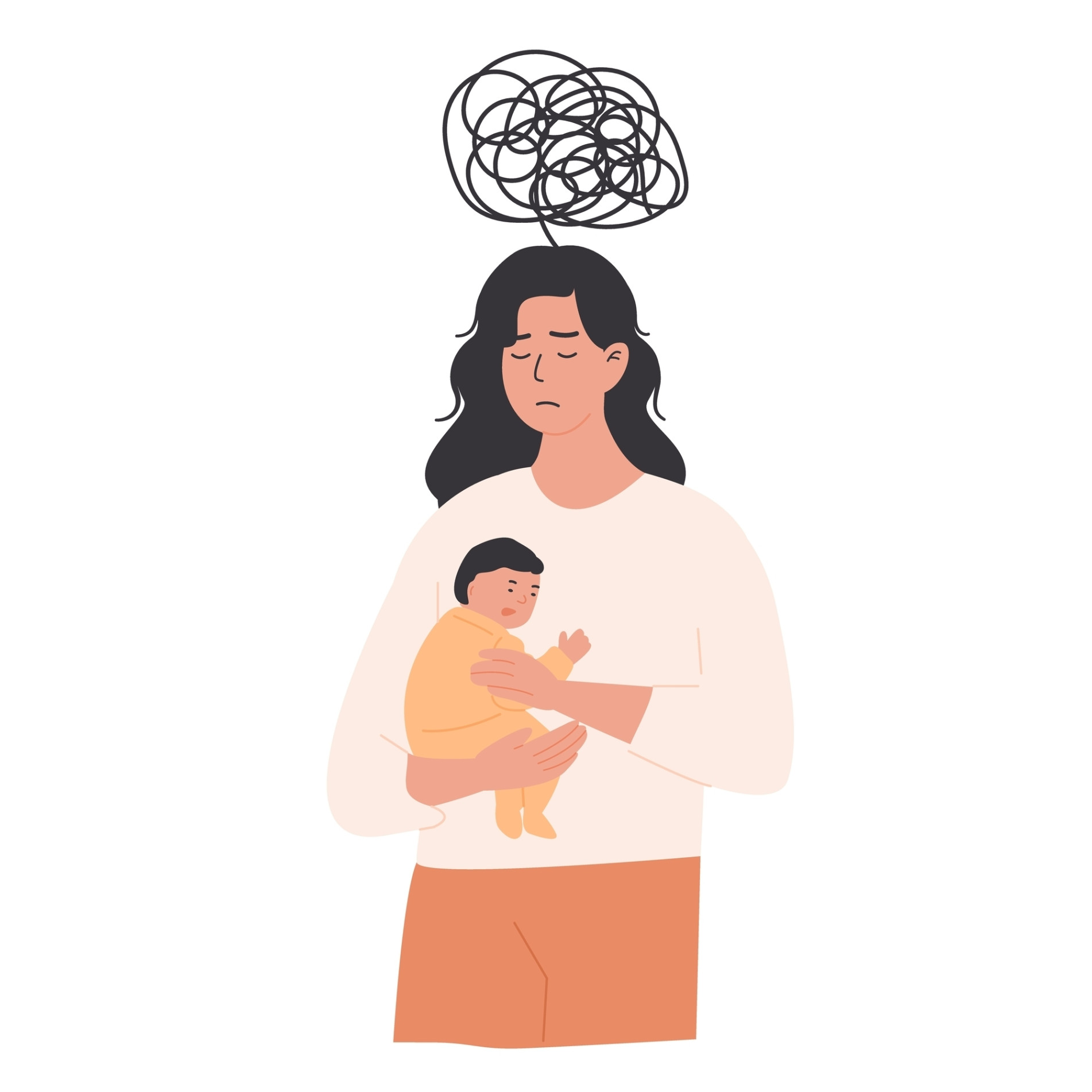
Key Points
- Emotional & Physical Toll: Parents experience profound exhaustion, with sleep deprivation being a chronic and debilitating issue.
- Social Isolation: Fear of judgment leads families to withdraw from weddings, festivals, and community life.
- Financial Strain: High therapy costs and lack of school support force many parents to sacrifice their careers.
- Resilience: despite the hardships, caregivers find strength through religious music, routines, and reframing their challenges.
The Exhaustion That Never Fades
The most immediate impact found was physical.
Parents described a relentless cycle of fatigue, largely driven by their children’s irregular sleep patterns.
One mother shared that she was “sleepy throughout the day” at her job because her child cried throughout the night.
This isn’t just “being tired”; it is a chronic depletion of energy that affects every aspect of life.
As the children grow older and stronger, physical safety becomes a constant worry.
Parents reported being hit or pulled by their children, requiring them to be hyper-vigilant around the clock.
A Life Lived Behind Closed Doors
Perhaps more damaging than the physical fatigue is the social isolation.
In cultures where social reputation—or ijjat—is paramount, having a neurodivergent child can feel like a sentence of solitude for some parents.
Participants revealed that they intentionally avoided social functions like marriages to protect their children from offensive comments.
One parent admitted, “I don’t like to interact with other people in any function due to this child”.
Instead of finding a village to help raise their child, these families often find themselves building a fortress to keep the world out.
The stigma is so pervasive that some families stop going out entirely, fearing the label of having a “dumb child”.
The Financial and Career Cliff
The study highlights a devastating economic trade-off.
To provide necessary care, parents are often forced to step off the career ladder.
Mothers, who bore the majority of the caregiving burden, frequently quit jobs or reduced hours.
Even fathers working abroad—a common economic lifeline in Nepal—had to return home to help manage the household chaos.
This loss of income hits exactly when expenses skyrocket.
One parent noted they had to invest “60-70% of my salary” into special schools.
Worse, mainstream schools often refuse admission, leaving parents desperate and financially drained by private specialized options.
Finding Anchors in the Storm
Despite these immense pressures, the study uncovered profound resilience.
How do these parents survive the storm? They create their own life rafts.
Many turned to spiritual practices, finding solace in listening to religious music (bhajans) or meditation to divert their minds from stress.
Others established rigid daily routines to manage the unpredictability of their child’s behavior.
Psychologically, some parents moved toward acceptance by viewing their struggle as an opportunity to help others in similar boats.
They cry to release the pressure, then they wipe their tears and continue the work of caregiving.
Why it matters
This research serves as a stark reminder that an autism diagnosis does not exist in a vacuum.
It ripples outward, affecting the mental health, financial stability, and social standing of the entire family unit.
For mental health professionals and policymakers, the message is clear: treating the child is not enough.
Support systems must embrace the parents, offering respite care to fix sleep deprivation and community education to dismantle stigma.
Until society learns to support the caregiver as much as the child, these families will continue to fight their battles in silence.
Next Step: If you know a parent raising a neurodivergent child, consider offering specific, practical help—like running an errand—rather than just asking “how are you?”
Reference
Bagale, A., Ojha, A. R., & Lamichhane, M. (2025). Experience and coping strategies of parents of children with autism: A qualitative study. PLOS ONE, 20(12), e0339349. https://doi.org/10.1371/journal.pone.0339349

