A recent qualitative study explored a creative solution to the isolation that a lot of neurodiverse youth experience.
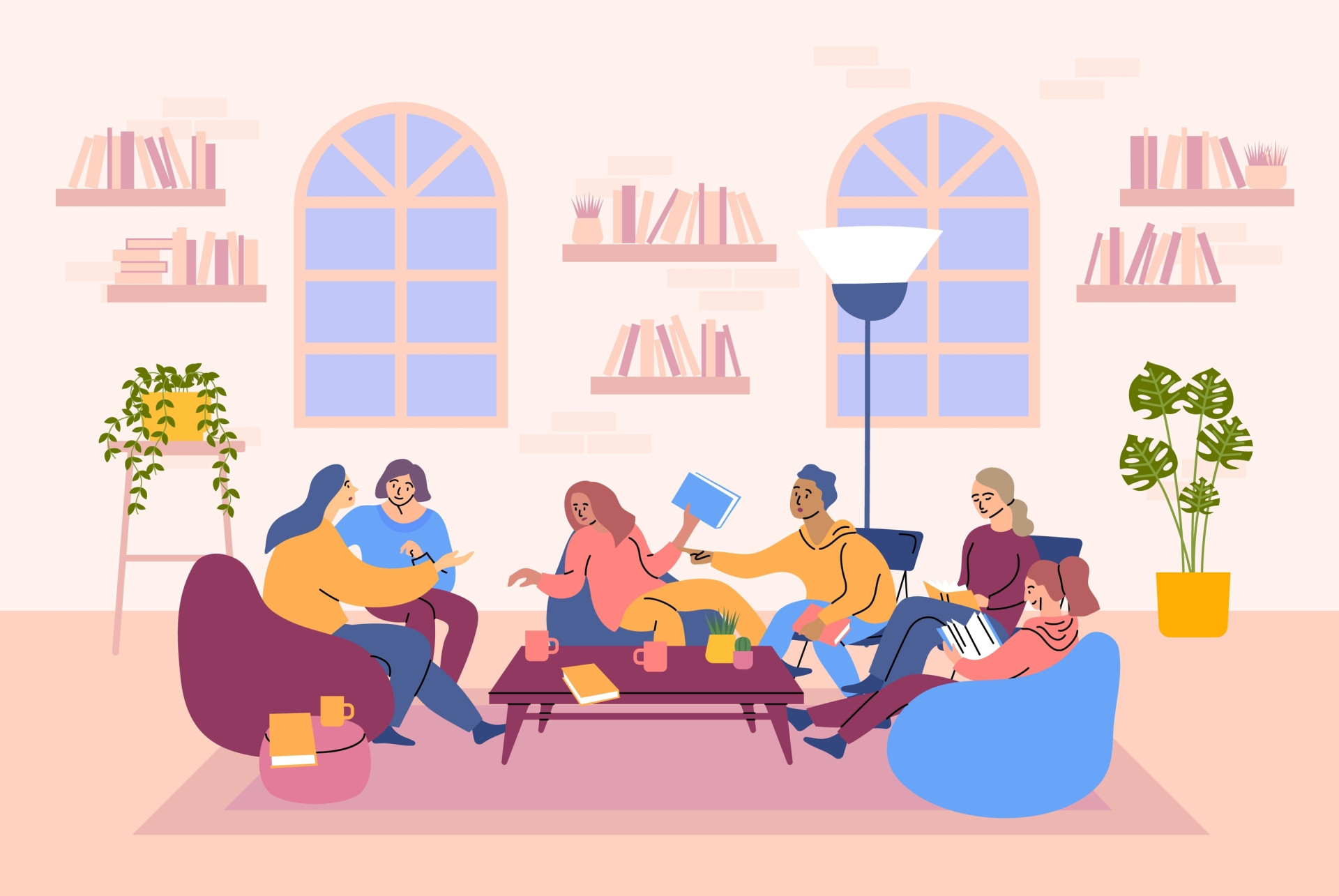
Researchers followed ten neurodiverse adolescents at a specialized school in Amsterdam as they participated in weekly, youth-led book clubs.
Using a thematic analysis of interviews and session transcripts, the study reveals how literature can act as a bridge to deep, transformative social-emotional learning (SEL).
Key Points
- A new “Inclusive SEL” framework shifts the focus from fixing neurodiverse behaviors to celebrating unique strengths and identity.
- Youth-led book clubs serve as powerful laboratories for building relationship skills and self-advocacy through shared stories.
- Narrative representation—reading about characters who share their diagnoses—helps adolescents articulate complex feelings like sensory overload.
- Critical conversations about language, such as “normal” versus “neurotypical,” allow students to challenge social stigmas together.
Mirroring the Mind Through Fiction
The students spent five months reading Marcelo in the Real World, a novel featuring a protagonist who is autistic.
For the participants, the book acted as a mirror, reflecting their own internal lives back to them in a way they could finally name.
One student, Nicole, noted that the book described feelings she had struggled to explain for years, comparing it to hearing a song lyric that perfectly captures your soul.
These “aha” moments are the foundation of self-awareness.
When the character Marcelo experienced sensory overload, the book club became a safe space for students to describe their own “system crashes”.
They moved past clinical definitions of ADHD or anxiety, instead sharing vivid metaphors for their stress—from a heart feeling like a heavy rock to the frantic energy of a kitchen with too many pots on the fire.
Rewriting the Rules of “Normal”
Traditional social-emotional programs often focus on “self-management,” which can unintentionally pressure neurodiverse students to mimic neurotypical behaviors.
This study proposes a radical shift: replacing “management” with “agency, social responsibility, and voice”.
In the book club, students didn’t just learn to “behave”; they learned to advocate for themselves.
They engaged in “freedom dreaming,” a process of imagining communities built on love and joy rather than rigid compliance.
The dialogue also turned into a classroom for social justice. Students critiqued the term “normal,” opting instead for “neurotypical” to acknowledge that there is no single “correct” way for a brain to function.
This shift from a deficit-based view to a strength-based view allows students to see their neurological differences as natural variations.
The Social Laboratory of the Group
Relationship-building is often cited as a challenge for neurodiverse youth, but the book club turned this into a collaborative practice.
By discussing Marcelo’s strained relationship with his father, students began to open up about their own family dynamics.
One student, Tatum, found comfort in realizing he wasn’t alone in his struggles to communicate with his parents.
This communal orientation allowed the group to co-create strategies for conflict resolution and emotional support.
Rather than being lectured on “social skills,” the teens practiced them in real-time. They learned when to “call in” a peer for using offensive language and how to listen actively even when they disagreed.
The club became a site of “collective healing,” where vulnerability was seen as a strength rather than a liability.
Why it Matters: A Blueprint for Inclusion
This research suggests that mental health support in schools doesn’t always need expensive, rigid interventions.
Instead, it can look like a low-cost, flexible book club where student voice is the primary driver.
For the general public, this is a reminder that inclusion isn’t just about placing everyone in the same room.
It’s about creating environments where diverse “ways of knowing” are celebrated.
For clinicians and educators, the takeaway is clear: neurodiverse youth don’t need to be “fixed” to fit into society. They need spaces where they can build the agency to navigate the world on their own terms.
As Nicole beautifully put it after the study ended: “In this book club, I feel like I’m my best self”.
Reference
Polleck, J. (2025). Neurodiverse youth book clubs for transformative and inclusive social emotional learning. Social and Emotional Learning: Research, Practice, and Policy, 6, 100163. https://doi.org/10.1016/j.sel.2025.100163