Sensory overload and overstimulation are common signs associated with autistic individuals. They are terms used to describe what happens when an individual receives more sensory input than they can comfortably process.
This experience is often discussed within the context of autism, as autistic people may experience sensory input differently. Sensory overload can happen to anyone but is more likely to occur in autistic individuals.
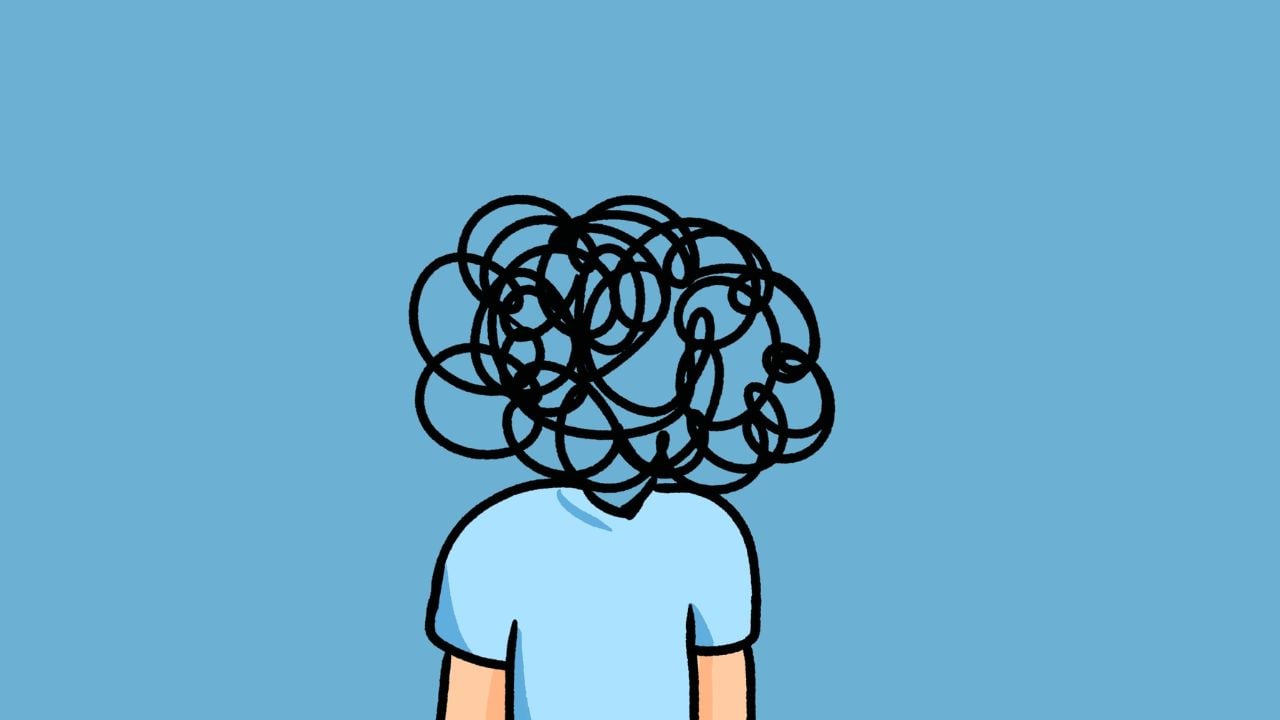
The experience of sensory overload is often described as an inability to categorize the influx of sensory stimuli in the way that neurotypical people can. In other words, the brain struggles to make sense of and organize the incoming sensory information, leading to feelings of overwhelm.
Overload is a state that comes and goes. Over-responsivity is a lasting tendency to react strongly to ordinary sensory input, and a main reason overload happens.
Some autistic people are also under-responsive, noticing input late or weakly, as with pain or temperature. Others seek out particular sounds, textures or pressure. One person can be all three, in different senses or on different days.
The same overload is common in ADHD, where it often comes with restlessness and emotional intensity, and in highly sensitive people.
Signs of overstimulation in autism
“I tend to withdraw when overwhelmed. Not physically, I just stop interacting. I can still see/hear everything going on around me, but none of it sticks. The world looks and feels like somebody just sliced a bunch of different recordings and then spliced the segments together at random.”
‘Max’

Signs of overstimulation in autism can vary from person to person, but some common indicators include:
- Increased irritability or agitation
- Increased sensory sensitivity, e.g., lights feel brighter, noises feel louder
- Physical symptoms such as heart racing, jaw clenched, or headaches
- Difficulty focusing on what is going on
- Difficulty with processing information
- Feeling the need to escape or be alone
- Changes in speech, such as becoming monotone or repetitive vocalizations
- Being unable to speak at all
- Increased self-stimulatory behaviors (stimming)
- Feeling hot or uncomfortable
- Needing to cover eyes or ears to limit sensory input
- Emotional outbursts or reaching a meltdown point
Stimming is more than a sign of strain. In interviews and focus groups with 32 autistic adults, people described it as a way to soothe themselves or express intense emotion (Kapp et al., 2019). Many objected to treatments that aim to remove it.
Autistic people often describe overstimulation as experiencing too much input.
Ella (from the YouTube channel Purple Ella), an autistic woman, explains that when input is coming in, it is manageable at first, but then it becomes too much.
She compares the feeling to being at a supermarket checkout, where the cashier is scanning items too quickly.
You try to keep up with packing your items. Then it all begins to pile up. There is pressure to keep going, but it all feels like too much at once.
Interviews with 16 autistic adults in the UK produced similar images (Neville et al., 2026). One participant called overwhelm a “traffic jam of processing”. Another described feeling twitchy and on edge, as if her skin and everything around her felt wrong.
“If I am upset/emotional about something, I can go completely mute. It almost feels like my jaw is locked or my throat closes off, like I am physically incapable of talking in that moment. It has resulted in some misunderstandings due to me not being able to defend myself or disagree with someone.”
‘Bryan’

What triggers overstimulation?
There are many ways in which an autistic person may become overstimulated. Primarily, these triggers can be related to the senses but can also come from unexpected events or social situations:
- Noise: Loud noises, such as the sound of a fork scraping against a plate or crowds, can be particularly overwhelming. Background noises such as televisions, alarms, telephones, and ticking clocks may also contribute to overstimulation. A high pace of communication can also contribute to feelings of stress.
- Bright Lights: Bright lights, especially fluorescent lights, can be irritating and overwhelming for autistic individuals. Some may compare the experience of bright lights to a “buzzing noise.” This sensitivity extends to flickering lights, such as fluorescent lamps and Christmas lights.
- Textures: Some individuals may find certain textures or types of touch uncomfortable or even painful. Examples can include itchy clothing, labels on clothes, and certain food textures.
- Smells: Strong smells, such as perfumes, certain foods, or cleaning products, can be experienced more intensely for some autistic people and be very overwhelming, especially if there are multiple smells at once.
- Social Demands: Social situations, such as attending a wedding or interacting with others, can be challenging and lead to feelings of overwhelm for autistic individuals due to factors such as the volume of talking and the amount of sensory and social input. Social interactions that require masking or suppressing autistic traits can also contribute to this.
- Visual Clutter: A visually cluttered environment with too many objects or patterns can be distracting and difficult to process. Visual clutter can negatively impact an individual’s social and cognitive abilities, as irrelevant stimuli can draw attention away from conversations and make communication difficult.
- Crowds: The presence of many people, particularly in confined or enclosed spaces, can also trigger sensory overload. The senses may be overloaded with many people being too close, feeling enclosed and unable to escape, and the noise may feel like too much.
- Unpredictability: Unpredictable environments or situations, especially those involving human interaction or sensory input, can cause a sense of stress and contribute to feeling overwhelmed. Having to quickly make a decision between several choices can also lead to difficulty for some individuals.
What Research Shows About Triggers
In a survey of 49 autistic adults, 40 completed a checklist of sensory triggers (MacLennan et al., 2022). Loud noises topped it, endorsed by 87.5%, followed by many conversations at once (82.5%) and bright lights (75%).
Sound intolerance is common. A meta-analysis of 67 studies estimated that about four in ten autistic people have hyperacusis at any one time (Williams et al., 2021).
Hyperacusis means decreased tolerance of sound at levels that would not trouble most people. Objective tests gave lower estimates than questionnaires, so treat the figure as reported experience.
Touch and smell matter too. Most adults reported over-responsivity to clothing (75%), different textures (62.5%) and strong scents (65%). In free-text answers, unexpected or light touch from other people was the most mentioned tactile trigger (MacLennan et al., 2022).
Unpredictability makes the same input harder. In a study of 64 autistic and 85 typically developing children, parents rated sensory sensitivities (Neil et al., 2016). Intolerance of uncertainty and anxiety together explained about half the variation in autistic children, but only about a fifth in the others.
The study was cross-sectional, so it cannot show that uncertainty causes sensory distress. It does fit autistic adults’ accounts of needing predictability.
Sensory Overload in Health-Care Settings
Health-care settings show how triggers combine in one place. A Swedish online survey asked 62 autistic and 36 non-autistic adults about sensory experiences and communication barriers in health care (Strömberg et al., 2022).
Autistic adults were more likely to find background sound unacceptable, even after adjusting for age, ADHD, anxiety and depression. Light discomfort was also higher. ADHD explained more of it than autism did.
Participants named televisions, alarms, telephones and ticking clocks as sources of stress. Closeness to other people was also bothersome. Providers often failed to recognise that patients needed individualised information.
Many of the problems could be removed with simple changes. Autistic adults suggested sound insulation, soft lighting, seating where nobody sits beside you and waiting outside until called.
The authors saw the difficulty autistic participants had in being understood as an example of the double empathy problem. On this view, misunderstanding comes from a mismatch between two differently disposed people, not a deficit in one of them.
The sample was small and mostly highly educated women. Findings may not apply to autistic people with higher support needs.
What can trigger shutdowns or meltdowns?
Oftentimes, there can be multiple triggers for overstimulation, which can result in autistic people experiencing shutdowns or meltdowns.
A shutdown involves withdrawing and becoming non-responsive, while a meltdown is an outward expression of overwhelming emotions.
Below are some ways autistic people may reach a shutdown or meltdown:
- Prolonged exposure to challenging environments (e.g., noisy offices, busy shopping centers)
- Unexpected changes in routine or plans
- Social interactions that are too intense or prolonged
- Accumulation of minor stressors throughout the day
- Sensory overload from lights, sounds, smells, or textures
- Difficulty communicating needs or feelings
- Fatigue or lack of sleep affecting coping abilities
- Hunger or thirst impacting sensory processing (how the nervous system registers and interprets input from the senses)
- Emotional stress from conflicts or misunderstandings
- Processing complex information or instructions
Triggers can be cumulative. What seems like a small issue might be the final straw after a day of managing various stressors.
Additionally, an autistic person’s threshold for overstimulation can vary depending on their overall well-being and energy levels.
Autistic adults describe their tolerance moving with their state. In one survey, adults said many noises and lights were tolerable when relaxed and rested, but unpleasant or overwhelming when stressed or tired (MacLennan et al., 2022). Hunger and thirst rest on reports rather than tested findings.
Think of it as capacity, not weakness. Capacity shrinks when you are tired, stressed, ill or masking, and it grows when you are rested, supported and in control.
When overload keeps building without recovery, it can feed into autistic burnout. Autistic adults describe burnout as arising from cumulative load, with chronic exhaustion, loss of skills and reduced tolerance to stimulation (Raymaker et al., 2020).
Evidence Check: How Well Does Research Support This?
Verdict: Supported with qualifications. Sensory differences in autism are well documented, though mostly through questionnaires. The brain mechanism behind overload is contested. Evidence that specific sensory tools and therapies reduce overload is low in certainty.
Here is where each claim stands:
- Over-responsivity: Strong evidence that it is more common in autistic people, mostly from questionnaires.
- Brain mechanism: Contested. Studies disagree on whether the brain fails to settle to repeated input.
- Sensory tools and therapies: Low-certainty evidence, limited and short-term.
The strongest evidence is a meta-analysis of 55 questionnaire studies with 4,606 autistic people (Ben-Sasson et al., 2019). It found large differences from non-autistic controls in over-responsivity, under-responsivity and seeking. Only over-responsivity, where ordinary input feels too intense, stayed significantly higher against other clinical groups.
Independent teams found the same pattern. In one study, 95% of 281 children had sensory differences on the Short Sensory Profile (Tomchek & Dunn, 2007).
There are caveats. Every pooled study used a questionnaire. A meta-analysis of hyperacusis, a lowered tolerance of sound, gave lower estimates from objective measures (27.30%) than from questionnaires (41.42%; Williams et al., 2021). Samples are mostly children, or adults answering online surveys, so the numbers describe reported experience.
The mechanism is less settled. One idea is that overload builds because the brain fails to settle to repeated input.
A brain-imaging study compared 19 autistic and 19 typically developing youth (Green et al., 2015). Over-responsive autistic youth showed reduced habituation in sensory cortices and the amygdala. Habituation is the settling of a response to repeated input.
A brain-wave (EEG) study found reduced habituation to tones in 30 autistic adults against 27 controls (Shimono et al., 2026). A skin-conductance study of 33 autistic and 31 typically developing adults did not detect slower habituation (Kuiper et al., 2019).
A 2026 systematic review of 29 studies also reports reduced habituation to sounds (Ríos Llamas et al., 2026).
Reduced habituation is plausible. It appears in some samples and measures, not all. It is not established as the mechanism, and it may apply to a subgroup.
Evidence for tools and therapies is the weakest.
A systematic review of 24 studies, 20 of them randomised, found only three with low risk of bias (Weitlauf et al., 2017). The evidence was low in strength. It pointed to modest, short-term improvements from sensory integration-based approaches.
A randomised trial found no sleep benefit from a weighted blanket in 67 autistic children (Gringras et al., 2014).
A small pilot found lower distress in a sensory-adapted dental room for 22 autistic children (Cermak et al., 2015). Staff and participants could not be blind to the room. Expectation may have played a part.
In practice, adapting your environment and building in retreat and control is reasonable, because autistic adults consistently endorse it. Trial evidence for specific products is thin, so choose what works for you.
How to prevent and recover from overstimulation
Below are seven ways to prevent or recover from autistic overstimulation. Some may not work for you, but others might be useful. Try the ones that appeal to you:

1. Identify your triggers
Take time to reflect on situations, environments, and sensory experiences that overwhelm your nervous system or cause you to feel overstimulated, anxious, or distressed.
This self-awareness is crucial for managing autistic overstimulation effectively.
Create a list of specific triggers that lead to sensory overload or emotional overwhelm in a journal. You could group these triggers into categories based on type:
- Sensory Triggers (e.g., visual and auditory)
- Environmental Triggers (e.g., crowded spaces, disorganized environments)
- Social Triggers (e.g., extended social interactions, misunderstandings in communication)
- Cognitive Triggers (e.g., information overload, complex instructions or tasks)
By identifying and categorizing your specific overstimulation triggers, you can develop more targeted strategies to manage or avoid these situations, reducing the likelihood of reaching sensory overload or meltdown.
2. Adjust the environment
If you feel yourself becoming overwhelmed, try to adjust your environment as much as you can to limit sensory input. Obviously, this all depends on the situation you are in and what is causing you to feel overstimulated.
For example:
- Dim the lights or turn them off completely
- Reduce background noises, such as turning off TVs, music, and closing windows to avoid the noise of outside traffic and chatter
- Switch to comfortable clothing
- Add a weighted blanket
- Step outside if the indoor space is causing the stimulation
- Declutter the room
Evidence for specific products is limited. A randomised trial found no sleep benefit from a weighted blanket over an ordinary one in autistic children (Gringras et al., 2014). The children and their parents still preferred it. Comfort is a fair reason to choose one.
Something that often works for me is I will put headphones on and play some calming sounds, either some chilled lo-fi, classical music, white noise, or the sound of a fireplace or rain. I make sure to keep the volume low so as to not make this itself overwhelming.
3. Create a sensory-friendly environment
Creating a sensory-friendly environment at home means adjusting your space to reduce overwhelming input and give you control. For example, you can soften the light, damp the sound and provide a retreat. Tailoring it to your needs can make all the difference in preventing overstimulation.
For example:
- Having a designated quiet space for low-intensity activities at home
- Well-ventilated spaces to allow cool air in and let out unwanted odors
- Designated storage boxes to put clutter out of sight
- Painting the walls a dark or muted color
- Use modular furniture that can be easily rearranged for different needs
- Analog clocks and physical calendars to reduce digital overstimulation
Because I know that bright overhead lights make me feel overstimulated, I make sure I have plenty of lamps or other light fixtures in each room of my home.
For example, strip lights and projector lights that can change color and intensity are both calming to look at and less intense than overhead lighting.
Autistic adults know what makes a good recovery space. In a UK interview study of 16 autistic adults, six features came up (Neville et al., 2026):
- Clear, minimalist surroundings
- Controllable temperature, light, sound and smell
- A cosy feel
- Something of visual interest
- Safety and familiarity
- Room for intense interests
4. Communicate needs
Ideally, communicating with people you live with, friends, and family is helpful for them to understand what your triggers are and how they can help you.
Below are some ways in which you can communicate your needs:
- Agree on specific non-verbal gestures with close friends and family as an indicator of when you need a break.
- Practice assertive phrases to express your needs, e.g., “I need a quiet space for 10 minutes.”
- Use smartphone apps to type out your needs when speaking is difficult.
- Use colored badges or wristbands to indicate current tolerance level, e.g., green for “I’m okay,” yellow for “I’m getting overwhelmed,” and red for “I need immediate help.”
Try not to rely entirely on another person, as you still need to put in the work yourself. There may be things they can feasibly do to help.
You may also need to compromise if your sensory needs clash with theirs. In this case, try to find some middle ground or a way in which you can reduce sensory input for yourself while not impacting others.
5. Make the most of your downtime
When you have free time, use it to recalibrate your sensory system and prevent overstimulation. This is particularly useful if everyday life (for example, work or school) is a prolonged stressor for you. Downtime is part of the plan.
Remember that you will need to return to potentially stimulating environments afterward, so use this time effectively to prepare yourself.
Below are some ideas for sensory-friendly activities during your reset time:
- Take a quiet walk in nature, focusing on soothing sensory input like the rustling of leaves or the feel of grass underfoot
- Engage in a repetitive, calming activity like solving jigsaw puzzles or coloring mandalas
- Create a sensory cocoon with weighted blankets and soft textures, allowing yourself to simply rest
- Listen to white noise or nature sounds through noise-cancelling headphones
- Engage in your special interest in a low-pressure, sensory-friendly way
- Try mindfulness exercises specifically designed for sensory regulation, such as body scans or guided visualizations
Remember, the goal is to give your sensory system a chance to reset and prepare for future stimuli. Choose activities that feel calming and regulating for you personally.
Interviews with autistic adults suggest why this matters. They described time alone as a way to retreat from overwhelm, regulate, recover and get ready to reconnect with others (Neville et al., 2026).
Many still wanted company. But only when rested, and with time to rest afterwards.
6. Plan ahead
Planning ahead is important because it can allow you to anticipate and prepare for challenging environments or situations.
By thinking through potential triggers and having strategies ready, you can reduce your anxiety and be better equipped to navigate potentially overwhelming experiences.
Some examples of planning ahead include:
- Previewing new environments or situations where possible
- Carrying a “sensory emergency kit” with items such as sunglasses, earplugs, and comforting objects
- Establishing exit strategies or finish times for overwhelming situations
- If you already have a hectic schedule, say no to additional plans or schedule in low sensory breaks
- Avoiding situations where you know you will feel overstimulated
For me, going to the supermarket is very overwhelming, especially when there are so many food options to choose from.
So, if I plan to go there, I try to have an idea in mind for what exactly I want to get. I plan my route out for the supermarket based on where my desired items are to limit the amount of time spent there.
7. Utilize personal strategies
Try to keep in mind some personal strategies you can use in times when you start to feel overstimulated.
Some ideas of these include:
- Mindfulness: Engaging in mindfulness practices can help manage sensory overload.
- Sensory Breaks: Taking breaks in a calming environment, even for short periods, can help reduce sensory overload. This could involve finding a quiet space or engaging in calming activities.
- Sensory Tools: Using sensory tools like sunglasses, headphones, or fidget toys can help regulate sensory input and reduce overload.
- Personal rating system: Regularly check in with yourself about current stimulation levels and take action based on your personal threshold rating.
I often find it helpful to excuse myself for a few minutes if I am in an overwhelming social situation or in a noisy environment.
I can go to an outdoor space or the bathroom and take a few minutes to breathe deeply and close my eyes as a respite from sensory overload.
I also find it helpful to try some mindfulness exercises while I am taking this break.
For instance, I might wash my hands in the bathroom. I take my time massaging the soap into my hands. I become aware of the feel of the water and the sound it makes coming out the faucet.
How to support someone experiencing overstimulation
Dan (from the YouTube channel The Aspie World), an autistic man, offers advice on supporting someone who is overstimulated. This is useful if, for example, you are in a relationship with someone who is autistic. His suggestions include:
- Remove the person from the overwhelming environment: This could involve turning off lights, moving to a quieter space, or going outside.
- Once the person is calmer, provide opportunities for them to engage in calming activities: This could include spending time in a sensory room, using sensory toys, or pursuing hobbies and interests.
- Dan suggests that sensory stimuli can be used in a positive way to help autistic people feel calm and relaxed. He provides examples such as bubble lamps, lava lamps, and fish tanks.
Other ways in which you can support them can include:
- Using clear and calm communication, avoiding complex language
- Not forcing verbal responses but encouraging alternative forms of communication (e.g., writing, typing, or gestures).
- Guide them through deep breathing exercises
- Respect their need for alone time if requested
- Allow time to recover without rushing
- Once recovered, discuss strategies for future situations
What soothes differs from person to person. One autistic adult in a survey said the best help during a meltdown was firm pressure from a trusted partner (MacLennan et al., 2022).
Interviews with eight autistic children and youth point the same way. They described being misunderstood by adults, and said compassion and collaboration from trusted adults helped most (Phung et al., 2021).
Key Takeaways
- Overstimulation: It happens when sensory, social and thinking demands exceed what a person can process at that moment. It reflects capacity, not weakness.
- Signs: Irritability, a racing heart, difficulty speaking, a need to escape or be alone and, at the limit, a shutdown or meltdown.
- Causes: Noise, bright light, textures, smells, crowds, unpredictability and social demands add up, and tiredness lowers the threshold.
- Verdict: Supported with qualifications. Sensory differences are well documented, but the brain mechanism and the evidence for specific sensory tools are less certain.
- Coping: Spot your triggers, adjust your surroundings, plan ahead, communicate your needs and build in recovery time.
- Support: Reduce the input, offer quiet, do not force speech and allow time to recover.
References
Ben-Sasson, A., Gal, E., Fluss, R., Katz-Zetler, N., & Cermak, S. A. (2019). Update of a meta-analysis of sensory symptoms in ASD: A new decade of research. Journal of Autism and Developmental Disorders, 49(12), 4974–4996. https://doi.org/10.1007/s10803-019-04180-0
Cermak, S. A., Stein Duker, L. I., Williams, M. E., Dawson, M. E., Lane, C. J., & Polido, J. C. (2015). Sensory adapted dental environments to enhance oral care for children with autism spectrum disorders: A randomized controlled pilot study. Journal of Autism and Developmental Disorders, 45(9), 2876–2888. https://doi.org/10.1007/s10803-015-2450-5
Green, S. A., Hernandez, L., Tottenham, N., Krasileva, K., Bookheimer, S. Y., & Dapretto, M. (2015). Neurobiology of sensory overresponsivity in youth with autism spectrum disorders. JAMA Psychiatry, 72(8), 778–786. https://doi.org/10.1001/jamapsychiatry.2015.0737
Gringras, P., Green, D., Wright, B., Rush, C., Sparrowhawk, M., Pratt, K., Allgar, V., Hooke, N., Moore, D., Zaiwalla, Z., & Wiggs, L. (2014). Weighted blankets and sleep in autistic children—A randomized controlled trial. Pediatrics, 134(2), 298–306. https://doi.org/10.1542/peds.2013-4285
Kapp, S. K., Steward, R., Crane, L., Elliott, D., Elphick, C., Pellicano, E., & Russell, G. (2019). “People should be allowed to do what they like”: Autistic adults’ views and experiences of stimming. Autism, 23(7), 1782–1792. https://doi.org/10.1177/1362361319829628
Kuiper, M. W. M., Verhoeven, E. W. M., & Geurts, H. M. (2019). Stop making noise! Auditory sensitivity in adults with an autism spectrum disorder diagnosis: Physiological habituation and subjective detection thresholds. Journal of Autism and Developmental Disorders, 49(5), 2116–2128. https://doi.org/10.1007/s10803-019-03890-9
MacLennan, K., O’Brien, S., & Tavassoli, T. (2022). In our own words: The complex sensory experiences of autistic adults. Journal of Autism and Developmental Disorders, 52(7), 3061–3075. https://doi.org/10.1007/s10803-021-05186-3
Neil, L., Olsson, N. C., & Pellicano, E. (2016). The relationship between intolerance of uncertainty, sensory sensitivities, and anxiety in autistic and typically developing children. Journal of Autism and Developmental Disorders, 46(6), 1962–1973. https://doi.org/10.1007/s10803-016-2721-9
Neville, F., Sedgewick, F., McClean, S., White, J., & Bray, I. (2026). Reacting, retreating, regulating, and reconnecting: How autistic adults in the United Kingdom use time alone for well-being. Autism in Adulthood, 8(1), 79–89. https://doi.org/10.1089/aut.2024.0148
Phung, J., Penner, M., Pirlot, C., & Welch, C. (2021). What I wish you knew: Insights on burnout, inertia, meltdown, and shutdown from autistic youth. Frontiers in Psychology, 12, 741421. https://doi.org/10.3389/fpsyg.2021.741421
Rasberry, K. (2023). Our Voices: Getting to Know Autism.
Raymaker, D. M., Teo, A. R., Steckler, N. A., Lentz, B., Scharer, M., Delos Santos, A., Kapp, S. K., Hunter, M., Joyce, A., & Nicolaidis, C. (2020). “Having all of your internal resources exhausted beyond measure and being left with no clean-up crew”: Defining autistic burnout. Autism in Adulthood, 2(2), 132–143. https://doi.org/10.1089/aut.2019.0079
Ríos Llamas, C., Camacho Vega, D. O., & Delgadillo Ramos, M. G. (2026). Light and sound hypersensitivity in autism spectrum disorder: A systematic review focusing on age and gender bias. Frontiers in Psychiatry, 17, Article 1771956. https://doi.org/10.3389/fpsyt.2026.1771956
Shimono, K., Kashida, N., Nishigori, K., Iwasaki, T., Mizui, R., Yamamuro, K., Ishida, R., Toritsuka, M., Takeda, T., Tanakoshi, H., Nagata, H., Iwata, N., & Makinodan, M. (2026). Comparative study of ERP habituation to tones and fearful vocalizations in autism spectrum disorders: A translational biomarker for sensory hypersensitivity. Molecular Psychiatry, 31(4), 1871–1879. https://doi.org/10.1038/s41380-025-03335-z
Strömberg, M., Liman, L., Bang, P., & Igelström, K. (2022). Experiences of sensory overload and communication barriers by autistic adults in health care settings. Autism in Adulthood, 4(1), 66–75. https://doi.org/10.1089/aut.2020.0074
Tomchek, S. D., & Dunn, W. (2007). Sensory processing in children with and without autism: A comparative study using the Short Sensory Profile. American Journal of Occupational Therapy, 61(2), 190–200. https://doi.org/10.5014/ajot.61.2.190
Weitlauf, A. S., Sathe, N., McPheeters, M. L., & Warren, Z. E. (2017). Interventions targeting sensory challenges in autism spectrum disorder: A systematic review. Pediatrics, 139(6), Article e20170347. https://doi.org/10.1542/peds.2017-0347
Williams, Z. J., Suzman, E., & Woynaroski, T. G. (2021). Prevalence of decreased sound tolerance (hyperacusis) in individuals with autism spectrum disorder: A meta-analysis. Ear and Hearing, 42(5), 1137–1150. https://doi.org/10.1097/AUD.0000000000001005