Recent research investigating the sensory experiences of autistic adults has identified a significant link between autism and negative interpretations of internal bodily signals.
This internal sense, known as interoception, acts as a communication channel between the body and the brain regarding physiological states.
While many individuals view these signals neutrally, the study found that autistic individuals are more likely to perceive them as distressing or threatening.
This shift in “interoceptive evaluation” marks a critical departure from previous studies that focused primarily on how well people notice their internal sensations.
Key Points
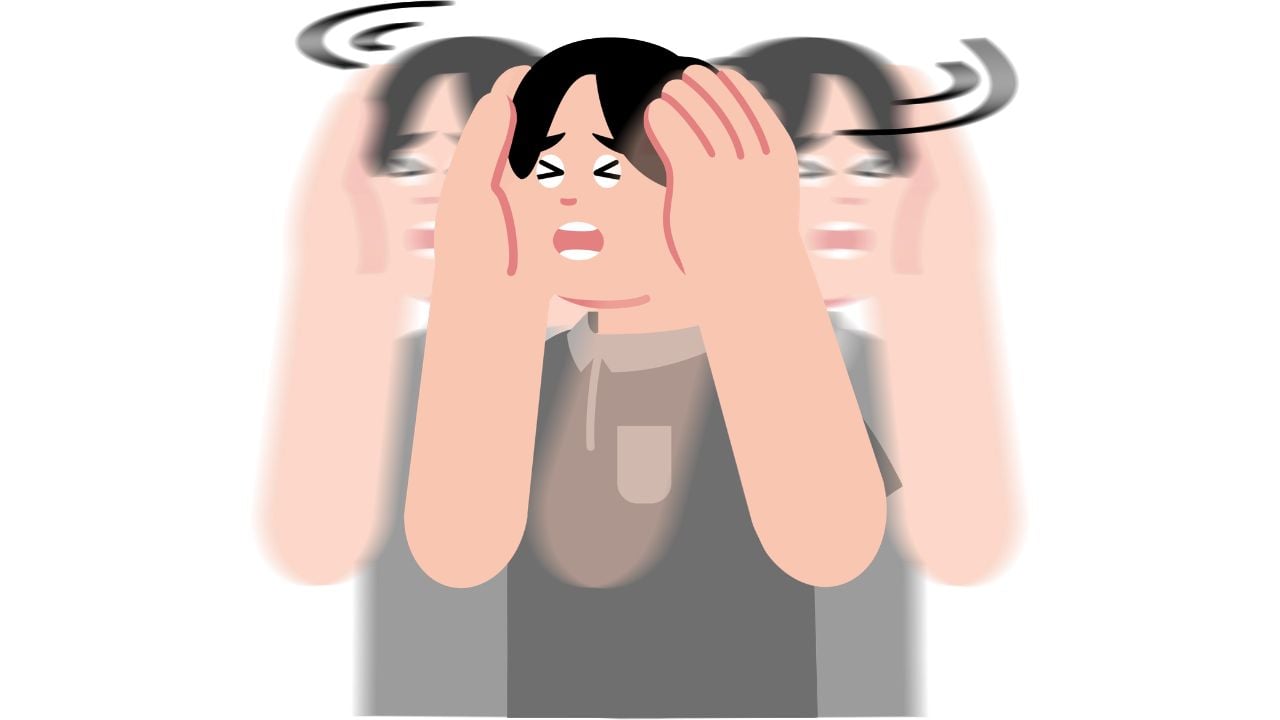
- Autistic individuals often interpret internal body signals, like a racing heart, more negatively than non-autistic people.
- While people with more autistic traits report lower accuracy in sensing their bodies, an official diagnosis does not necessarily mean lower accuracy.
- Higher levels of autistic traits are linked to paying more attention to internal signals, a phenomenon sometimes called hyper-vigilance.
- Mental health factors like anxiety and alexithymia significantly influence how people experience and report their internal sensations.
- Focusing on how these signals are evaluated, rather than just noticed, could lead to better mental health support for the autistic community.
Deciphering the Body’s Secret Language
A large-scale study involving 519 participants recently explored the complex relationship between autism and interoception. The researchers used detailed questionnaires to measure three specific ways we interact with our internal signals.
First, they looked at accuracy, or how well someone thinks they can detect signals like a heartbeat. Second, they measured attention, which is the amount of time someone spends focused on these sensations.
Finally, they examined evaluation, which is the meaning or “flavor” we give to those signals.
The Emotional Filter of Internal Sensations
The study found that people with an autism diagnosis interpreted their bodily signals more negatively than those without a diagnosis. This means a simple sensation might be felt as more threatening or distressing.
This negative evaluation remained a significant factor even when researchers accounted for other variables.
It suggests that the “emotional volume” of the body is turned up in a specific, often painful way for autistic adults.
The Difference Between Traits and Diagnoses
One of the most interesting findings was the distinction between having an autism diagnosis and having autistic traits.
In the general population, people with higher autistic traits reported paying more attention to their bodies.
However, when comparing people with a formal diagnosis to those without, there was no significant difference in total attention levels.
This suggests that the relationship between autism and “noticing” is more nuanced than previously thought.
When the Body Whispers and the Mind Shouts
The researchers also explored whether autistic people are better or worse at identifying their internal signals. In the general population sample, higher autistic traits were associated with lower reported accuracy.
Yet, for those with a confirmed diagnosis, accuracy scores were comparable to non-autistic participants.
This discrepancy might be due to the specific tools used to measure traits versus the core features of a clinical diagnosis.
The Invisible Role of Anxiety and Alexithymia
Anxiety and alexithymia, which is a difficulty identifying and describing emotions, play a massive role in this internal experience. The study highlighted that these factors are often the “hidden drivers” of interoceptive differences.
When the researchers controlled for alexithymia, many of the differences in accuracy and attention between groups disappeared.
This suggests that what we often call “autistic” sensory differences may actually be related to these co-occurring conditions.
Why It Matters
This research shifts the focus from simply “noticing” the body to how we “feel” about what we notice.
For the general public, this highlights why two people can feel the same physical sensation but have completely different emotional reactions.
In the real world, this could change how therapists and clinicians support autistic individuals with anxiety. Instead of just trying to “ignore” a racing heart, the goal might be to change the negative interpretation of that sensation.
For everyday readers, it serves as a reminder that our bodies are constantly talking to us. For some, that conversation is just louder and more frightening, requiring unique strategies to find a sense of internal peace.
Reference
Adams, K. L., Catmur, C., & Bird, G. (2026). Associations between autism and self-reported dimensions of interoception. Autism, 13623613261434431. https://doi.org/10.1177/13623613261434431