The nature vs. nurture debate is a classic psychological and philosophical argument concerning the relative contributions of heredity (nature) and environment (nurture) in shaping human development, behavior, and personality.
It explores whether our traits are primarily determined by our genes and innate qualities, or by our upbringing, experiences, and surrounding culture.
Key Takeaways
- Nature refers to the biological and genetic influences that shape who we are: the traits and tendencies that are pre-wired through inheritance and other physiological factors.
- Nurture encompasses the environmental influences that shape development after conception, including life experiences, learning, and social and cultural exposure.
- Behavioral genetics allows psychologists to estimate the relative contributions of genes and environment to specific psychological traits, such as intelligence, personality, and mental health.
- Epigenetics, a rapidly growing field, demonstrates how environmental factors can affect the expression of genes. Life experiences can leave biological marks that influence future behavior.
- Interactionism is the modern consensus. Genes and environments act together, so the useful question is how, and how much, they combine.
- Verdict: Largely not supported. The best-known example of gene–environment interaction in depression did not hold up in the largest tests, although the wider principle that genes and environments act together stands.
The nature-nurture debate is concerned with the relative contribution that both influences make to human behavior, such as personality, cognitive traits, temperament and psychopathology.

Francis Galton, Charles Darwin’s half-cousin, popularized “nature and nurture” as a scientific opposition.
As Galton (1874) explained, the pairing is “a convenient jingle of words, for it separates under two distinct heads the innumerable elements of which personality is composed.” His book Inquiries into Human Faculty and Its Development (Galton, 1883) cemented the usage.
Examples of Nature vs. Nurture
Nature vs. Nurture in Child Development
In child development, the nature vs. nurture debate is evident in the study of language acquisition.
Theorists give opposing answers about where language comes from:
- Nature: Chomsky (1957) argued that humans are born with an innate capacity for language, known as universal grammar.
- Nurture: The behaviorist Skinner (1957) emphasized environmental reinforcement and learning.
- Twin evidence: Identical twins reared apart remain similar in IQ, so genes shape psychological traits generally (Bouchard et al., 1990).
- Interplay: Language-rich environments also matter, so language develops through both nature and nurture.
Nature vs. Nurture in Personality Development
The nature vs. nurture debate in personality psychology centers on the origins of personality traits.
Twin studies have shown that identical twins reared apart tend to have more similar personalities than fraternal twins, indicating a genetic component to personality (Bouchard, 1994).
However, environmental factors, such as parenting styles, cultural influences, and life experiences, also shape personality.
Genes and environment can interact. For example, Caspi et al. (2002) found that childhood maltreatment predicted later antisocial behavior more strongly in men with a low-activity version of the MAOA gene.
This highlights that genetic predispositions and environmental factors contribute to personality development, and their interaction is complex and multifaceted.
Nature vs. Nurture in Mental Illness Development
The nature vs. nurture debate in mental health explores the etiology of depression.
Twin data point to a genetic contribution. A meta-analysis estimated the heritability of major depression, the share of differences between people that can be linked to genetic differences, at about 37% (Sullivan et al., 2000). That leaves most of the variation to environmental factors.
However, environmental factors, such as adverse life events and chronic stress during childhood, also play a significant role in the development of depressive disorders (Keller et al., 2007).
The diathesis-stress model posits that individuals inherit a genetic predisposition (diathesis) to a disorder, which is then activated or exacerbated by environmental stressors (Monroe & Simons, 1991).
This model illustrates how nature and nurture interact to influence mental health outcomes.
Nature vs. Nurture of Intelligence
The nature vs. nurture debate in intelligence examines the relative contributions of genetic and environmental factors to cognitive abilities.
Heritability is the share of differences between people in a group that can be linked to genetic differences. Researchers use it to ask how much of the variation in IQ comes from genes.
- Genetic influence: About 50% of the variance in IQ is attributed to genetic factors, based on studies of twins, adoptees, and families (Plomin & Spinath, 2004).
- Heritability and age: Heritability rises from about 20% in infancy to as high as 60–80% in later adulthood (Petrill et al., 1998; Plomin & Spinath, 2004).
- Environmental influence: Access to quality education and stimulating environments also significantly impacts intelligence.
- Shared environment: Influences common to children raised together, such as poverty or marital discord, matter most in childhood.
- Non-shared environment: Experiences that differ between siblings matter more later in life.
In a 10-year study of more than 200 adoptive-sibling pairs, the IQ correlation was 0.26 at age 8 but close to zero by age 18 (Loehlin et al., 1988).
Genes appear to matter more over time. One explanation is that people increasingly choose and shape environments that suit their genetic tendencies.
The Interaction of Genes and Environment
Research by Flynn (1987) showed that average IQ scores have increased over generations. This steady rise is known as the Flynn effect. It shows that better environments can produce substantial gains in cognitive abilities, even for a highly heritable trait.
Molecular genetics provides tools to identify specific genes and understand their pathways and interactions.
However, progress has been slow for complex traits like intelligence. Identified genes have small effect sizes (Plomin & Spinath, 2004).
Overall, intelligence results from a complex interplay between genes and environment over development. Molecular genetics offers promise to clarify these mechanisms.
Both nature and nurture play key roles. Ceci and Williams (1999) describe the consensus:
“Nearly all responsible researchers agree that human traits are jointly determined by both nature and nurture, although they may disagree about the relative contributions of each.”
Ceci & Williams (1999)
Nativism (Extreme Nature Position)
It has long been known that certain physical characteristics are biologically determined by genetic inheritance.
Color of eyes, straight or curly hair, pigmentation of the skin, and certain diseases (such as Huntington’s chorea) are all a function of the genes we inherit.
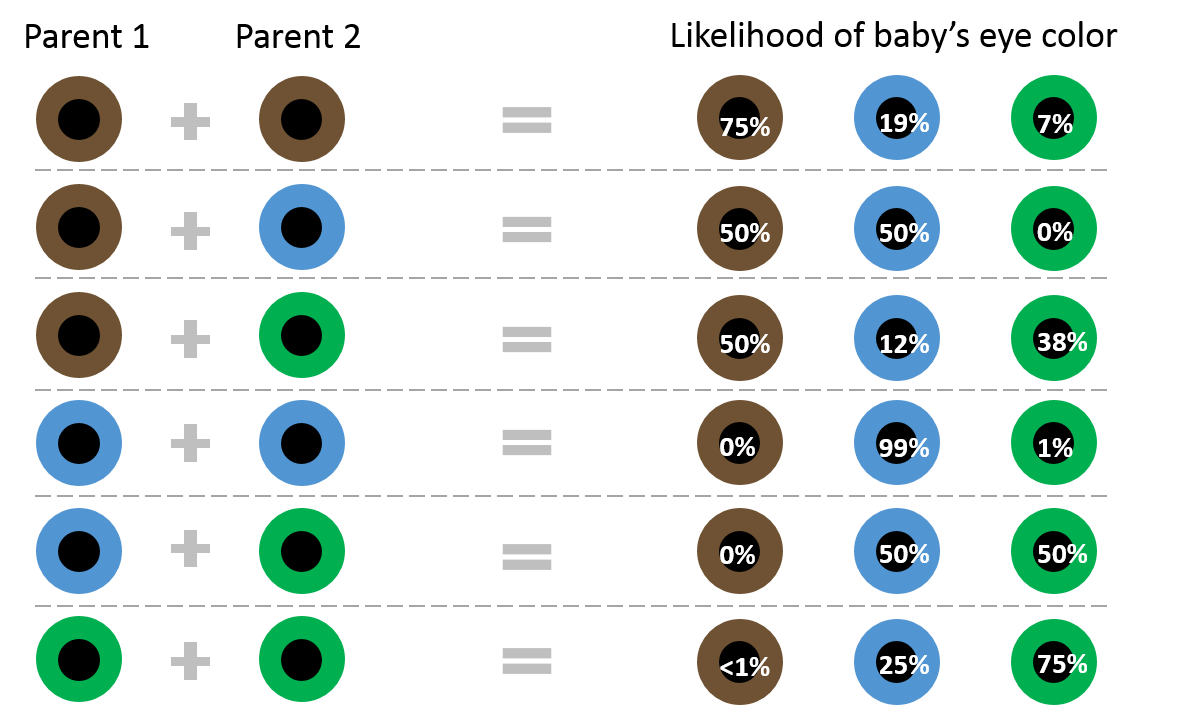
These facts have led many to speculate as to whether psychological characteristics such as behavioral tendencies, personality attributes, and mental abilities are also “wired in” before we are even born.
Some psychologists take an extreme hereditary position. They are known as nativists. Their basic assumption is that the characteristics of the human species as a whole are a product of evolution. Individual differences, in their view, are due to each person’s unique genetic code.
In general, the earlier a particular ability appears, the more likely it is to be under the influence of genetic factors. Estimates of genetic influence are called heritability.
Evidence and Examples of Nativist Views
Examples of extreme nature positions in psychology include Chomsky (1965), who proposed language is gained through the use of an innate language acquisition device.
Freud offers another example. He treated aggression as an innate drive (called Thanatos).
Characteristics and differences that are not observable at birth, but which emerge later in life, are regarded as the product of maturation.
That is to say, we all have an inner “biological clock” which switches on (or off) types of behavior in a pre-programmed way.
Puberty is the classic example. It brings the bodily changes of early adolescence.
However, nativists also argue that maturation governs the emergence of attachment in infancy, language acquisition, and even cognitive development.
Empiricism (Extreme Nurture Position)
At the other end of the spectrum are the environmentalists – also known as empiricists (not to be confused with the other empirical/scientific approach).
Their basic assumption is that at birth, the human mind is a tabula rasa (a blank slate). The philosopher John Locke held this view. The mind is then gradually “filled” as a result of experience (e.g., behaviorism).
From this point of view, psychological characteristics and behavioral differences that emerge through infancy and childhood are the results of learning.
How you are brought up (nurture) governs the psychologically significant aspects of child development. Maturation applies only to the biological.
For example, Bandura’s (1977) social learning theory states that aggression is learned from the environment through observation and imitation.
His Bobo doll experiment shows this (Bandura et al., 1961).
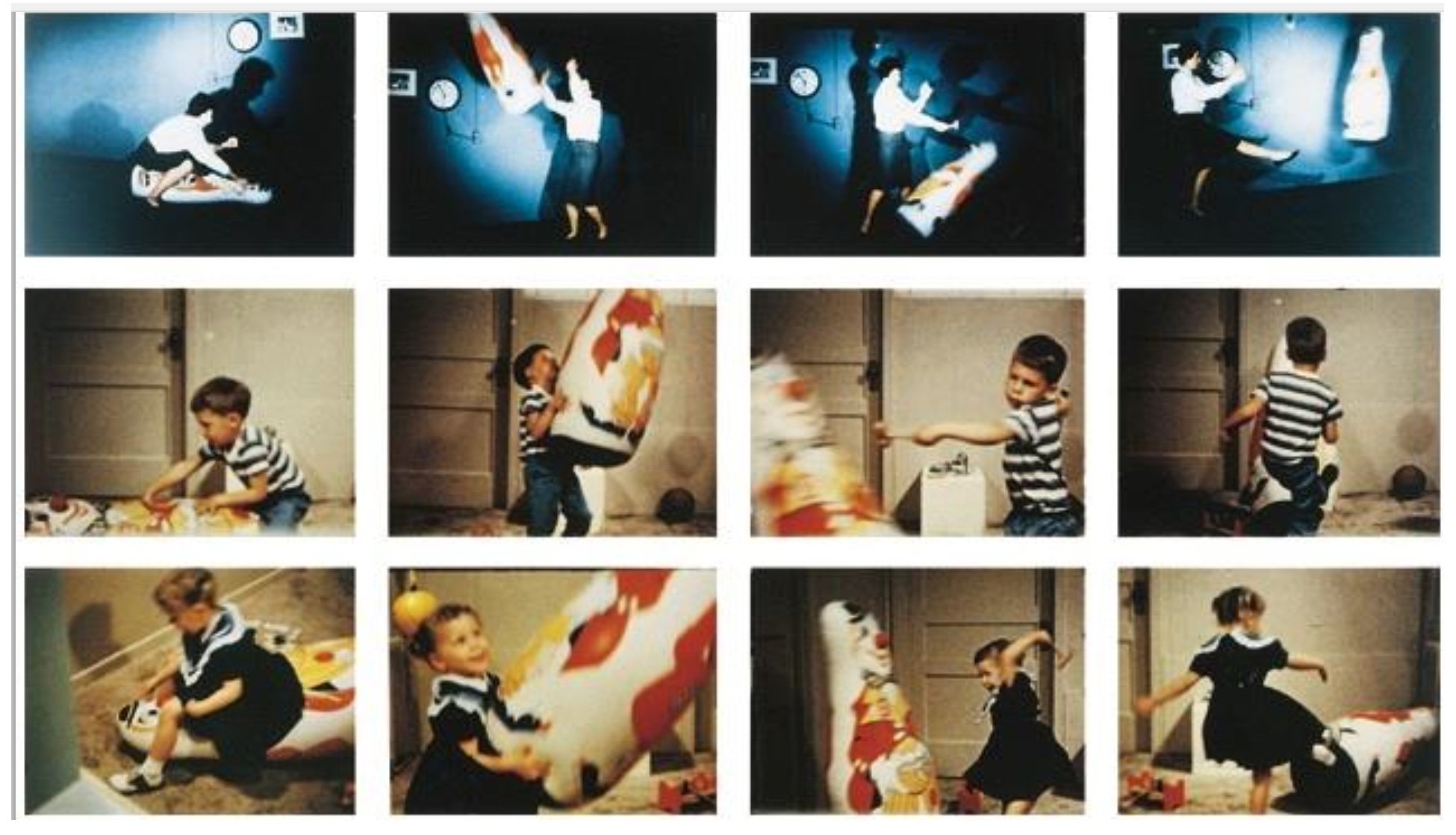
Also, Skinner (1957) believed that language is learned from other people via behavior-shaping techniques.
Evidence for Nature
Freud (1905) stated that events in our childhood have a great influence on our adult lives, shaping our personality.
He thought that parenting is of primary importance to a child’s development. The family as the most important feature of nurture was a common theme throughout twentieth-century psychology, which was dominated by environmentalists’ theories.
Behavioral Genetics
Researchers in the field of behavioral genetics study variation in behavior as it is affected by genes, which are the units of heredity passed down from parents to offspring.
“We now know that DNA differences are the major systematic source of psychological differences between us. Environmental effects are important but what we have learned in recent years is that they are mostly random – unsystematic and unstable – which means that we cannot do much about them.”
Plomin (2018, xii)
Behavioral genetics has enabled psychology to quantify the relative contribution of nature and nurture with regard to specific psychological traits.
Adoption and Twin Studies
One way to do this is to study relatives who share the same genes (nature) but a different environment (nurture). Adoption is a natural experiment. It lets researchers separate the two.
Empirical studies have consistently shown that adoptive children show greater resemblance to their biological parents, rather than their adoptive, or environmental parents (Plomin & DeFries, 1983; 1985).
Another way of studying heredity is by comparing the behavior of twins, who can either be identical (sharing the same genes) or non-identical (sharing 50% of genes).
Like adoption studies, twin studies support the first rule of behavior genetics; that psychological traits are extremely heritable, about 50% on average.
The Twins Early Development Study (TEDS) is a UK cohort. It followed twins born in 1994–1996 and revealed correlations between them on many behavioral traits. These included personality (empathy and hyperactivity) and components of reading such as phonetics (Haworth et al., 2013; Oliver & Plomin, 2007; Trouton et al., 2002).
The Minnesota Study of Twins Reared Apart
The most direct test compares identical twins raised apart with identical twins raised together. The Minnesota Study of Twins Reared Apart, begun in 1979 by Thomas Bouchard and colleagues, is the landmark example.
- Aim: To test whether identical twins separated in infancy and raised in different families stay as psychologically similar as twins raised together.
- Method: Twin pairs recruited through media appeals spent about a week being assessed with IQ tests and personality inventories. The 1990 report compared 48 reared-apart pairs with 40 pairs raised together.
- Results: Full-scale IQ correlated 0.69 in reared-apart pairs and 0.88 in pairs raised together. Personality correlated 0.49 in both groups (Bouchard et al., 1990).
- Conclusion: Genes strongly influence psychological traits, with IQ heritability estimated at around 0.70 (Bouchard, 1994).
The design is a rare natural experiment. It has limits, though.
Many “separated” twins shared the womb, some had contact before testing, and agencies often placed them in similar homes. All of this can inflate the apparent role of genes (Newman et al., 1937; Joseph, 2003). Volunteers also responded to media appeals, so the sample was self-selected.
Turkheimer’s Three Laws of Behavior Genetics
Turkheimer (2000) distilled decades of twin and adoption research into three regularities so robust he called them laws:
- Everything is heritable: All human behavioral traits show some genetic influence.
- Family matters less than genes: The effect of being raised in the same family is smaller than the effect of genes.
- Much remains unexplained: A substantial share of the variation in complex traits is explained by neither genes nor families.
The largest part of that remainder is the non-shared environment, the experiences that differ even between children in the same family.
Together, the laws challenge both extreme positions. The first law refutes strong environmentalism, and the third refutes strong hereditarianism. That leaves an interactionist account standing.
Implications
Jensen (1969) found that the average I.Q. scores of black Americans were significantly lower than whites. He went on to argue that genetic factors were mainly responsible, estimating the heritability of intelligence at around 80%.
That inference does not follow.
Heritability describes differences within a group. It says nothing about the causes of differences between groups.
The storm of controversy that developed around Jensen’s claims was not mainly due to logical and empirical weaknesses in his argument. The reasons were social and political.
People often draw such implications from research that claims to demonstrate natural inequalities between social groups.
For many environmentalists, there is a barely disguised right-wing agenda behind the work of behavioral geneticists. In their view, part of the difference in the I.Q. scores of different ethnic groups is due to inbuilt biases in the methods of testing.
Broader Social and Political Controversies
More fundamentally, they believe that differences in intellectual ability are a product of social inequalities in access to material resources and opportunities.
To put it simply, children brought up in deprived neighborhoods tend to score lower on tests. They are denied the same life chances as more privileged members of society.
No wonder the nature-nurture debate is so hotly contested.
What begins as an attempt to understand the causes of behavioral differences often develops into a politically motivated dispute about distributive justice and power in society.
What’s more, this doesn’t only apply to the debate over I.Q.
The same is true of sex and gender. There, the question is how much of the (alleged) differences in male and female behavior are due to biology and how much to culture. It is just as controversial.
Polygenic Inheritance
Single genes do not determine psychological traits. Behavioral genetics has demonstrated that multiple genes, often thousands, collectively contribute to specific behaviors.
Thus, psychological traits follow a polygenic mode of inheritance (as opposed to being determined by a single gene). Depression is one example. It is thought to be influenced by around 1000 genes (Plomin, 2018).
This means a person with a lower number of these genes (under 500) would have a lower risk of experiencing depression than someone with a higher number.
While still limited in predictive power, polygenic risk scores provide a way to quantify innate genetic risk, allowing researchers to study how this interacts with environmental factors to influence outcomes.
So there is no single “gene for” depression. Rose (1997) calls the phrase a “convenient, but misleading, shorthand.” Genes code for proteins, not for behavior, so no single gene determines a complex trait (Plomin & von Stumm, 2018).
Complexity of Genetic and Environmental Interactions
The high polygenicity of psychiatric disorders (many genes each contributing small effects) revealed by genetic architecture studies shows that there isn’t a simple genetic determinism for most psychiatric conditions.
This complexity is further increased when you consider how these genes might interact with each other (epistasis) and with environmental factors.
The same genetic profile might lead to different outcomes in different environments.
The Nature of Nurture
Nurture assumes that correlations between environmental factors and psychological outcomes are caused environmentally.
For example, how much parents read with their children and how well children learn to read appear to be related.
Other examples include environmental stress and its effect on depression.
However, behavioral genetics argues that what looks like environmental effects are to a large extent a reflection of genetic differences (Plomin & Bergeman, 1991).
People select, modify, and create environments correlated with their genetic disposition.
This means that what sometimes appears to be an environmental influence (nurture) is a genetic influence (nature).
Take children genetically predisposed to be competent readers. They will be happy to listen to their parents read them stories, and more likely to encourage this interaction.
Gene–Environment Correlation: Three Types
Plomin et al. (1977) identified three ways a person’s genes become correlated with the environment they experience:
- Passive: Parents provide both genes and a matching environment, such as a stimulating home for children who inherit genes linked to higher IQ.
- Reactive: Children’s genetic tendencies draw reactions from others. Cheerful babies, for example, elicit friendlier responses.
- Active: Children seek out and build experiences that fit their tendencies, known as niche-picking and niche-building.
Scarr and McCartney (1983) proposed that passive correlations dominate in early childhood, when parents control the environment. Reactive and active correlations take over as children gain autonomy.
This sequence helps explain why the heritability of many traits rises with age.
Interaction Effects
How much of our behavior is due to heredity, and how much to the environment? In recent years there has been a growing realization that this may itself be the wrong question.
Take intelligence as an example. Like almost all types of human behavior, it is a complex, many-sided phenomenon that reveals itself (or not!) in a great variety of ways.
The “how much” question assumes that psychological traits can all be expressed numerically and that the issue can be resolved in a quantitative manner.
Some critics call heritability statistics meaningless. Biologists have established that genes cannot influence development independently of environmental factors. Genetic and nongenetic factors always cooperate to build traits.
The reality is that nature and culture interact in a myriad of qualitatively different ways (Gottlieb, 2007; Johnston & Edwards, 2002).
Phenylketonuria (PKU): Genes Meet Environment
Phenylketonuria (PKU) is the classic example of a trait that depends on both genes and environment. It is caused by inheriting a single recessive gene from each parent.
Affected children lack the enzyme phenylalanine hydroxylase. Without it, phenylalanine builds up in the blood. That leads to severe intellectual disability and, without intervention, can be fatal.
The link from genotype to outcome looks direct and inevitable. Yet a routine blood test soon after birth can detect the PKU genes, and a low-phenylalanine diet prevents the disease from developing.
As Jones (1993) concludes, the “nature [of children born with PKU genes] has been determined by careful nurturing.”
The Diathesis-Stress Model and Epigenetics
Instead of defending extreme nativist or nurturist views, most psychological researchers are now interested in investigating how nature and nurture interact.
For example, in psychopathology, this means that both a genetic predisposition and an appropriate environmental trigger are required for a mental disorder to develop.
This concept is known as the diathesis-stress model. Individuals may inherit a vulnerability to certain mental health conditions, but whether the disorder appears often depends on exposure to specific environmental stressors.
- Diathesis: Some individuals have a genetic vulnerability (predisposition) to certain mental disorders.
- Stress: Environmental factors or life events act as triggers.
- Interaction: The combination of genetic vulnerability and environmental stress leads to the manifestation of a disorder.
For instance, a person might carry genes associated with depression, but may not develop the disorder unless exposed to significant life stressors, trauma, or adverse experiences.
Furthermore, the emerging field of epigenetics provides additional insight into this complex relationship.
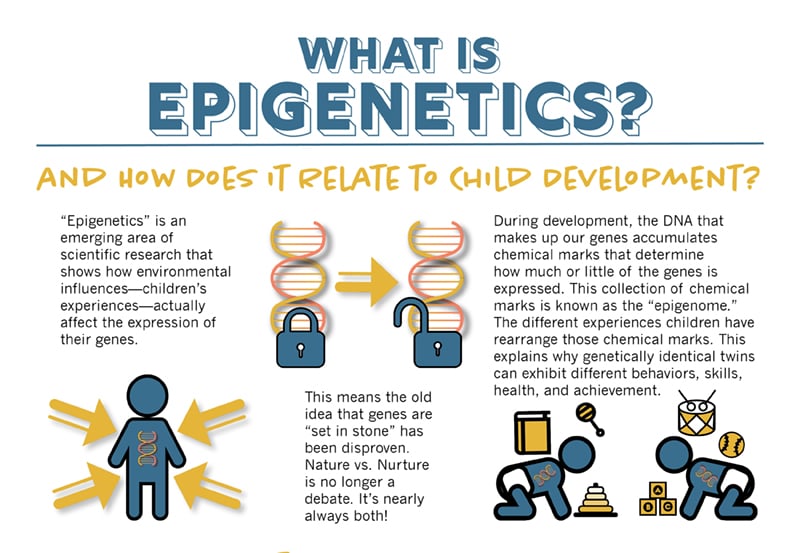
What is Epigenetics?
Epigenetics is the term used to describe inheritance by mechanisms other than through the DNA sequence of genes.
For example, features of a person’s physical and social environment can effect which genes are switched-on, or “expressed”, rather than the DNA sequence of the genes themselves.
Epigenetics refers to changes in gene expression that don’t involve alterations to the DNA sequence itself. Instead, these changes affect how genes are read and translated into proteins.
Basic Explanation
Imagine your DNA as a huge instruction manual for your body. Epigenetics is like highlighters and sticky notes added to it.
These markers don’t change the actual text (your DNA), but they can make certain instructions easier or harder to read.
Things in your environment, like what you eat, how stressed you are, or even your experiences, can add or remove these markers.
This process can turn genes “on” or “off.” That affects how your body works.
Sometimes, these changes can even be passed down to your kids, kind of like inherited highlighter marks in the manual.
Mechanisms of Epigenetic Modification
Epigenetic modifications provide a direct biological mechanism by which environmental experiences (nurture) can alter how our genes (nature) function.
This challenges the idea of genes as a fixed, unchangeable blueprint.
Epigenetic changes can occur throughout life, but certain periods (like early development or adolescence) may be particularly sensitive to these modifications.
There are several ways epigenetic changes can occur:
- DNA methylation: Adding methyl groups to DNA, typically suppressing gene expression.
- Histone modification: Changes to the proteins that DNA wraps around, affecting how tightly or loosely genes are packaged.
- Non-coding RNA: RNA molecules that can regulate gene expression.
These epigenetic changes can be temporary or long-lasting, and in some cases, may even be heritable.
Example: Early life stress has been shown to cause epigenetic changes in genes related to stress response, potentially increasing vulnerability to stress-related disorders later in life.
Environmental Stressors
Environmental stressors have been shown to induce epigenetic changes, with substantial evidence from both animal and human studies (Klengel et al., 2016).
Stressors include malnutrition, toxins, extreme stress, and trauma. They can alter DNA methylation patterns, histone modifications, and non-coding RNA expression (Bale, 2015). Key findings include:
- Early life stress: Long-lasting epigenetic changes to stress-response genes may raise vulnerability to stress-related disorders later in life (McGowan et al., 2009).
- Maternal care in rats: Differences in maternal care alter offspring epigenetic marks and stress reactivity (Weaver et al., 2004).
- Holocaust survivors: Trauma exposure was linked to altered methylation of the FKBP5 gene in survivors and their children (Yehuda et al., 2016).
These findings highlight how responsive the epigenome is to external influences.
Transgenerational Epigenetic Inheritance
Some epigenetic modifications may be passed down to future generations, suggesting that environmental influences on one generation could affect the genetic expression of subsequent generations.
One example is the Dutch Hunger Winter, the famine of 1944–45 in the last year of the Second World War.
Children who were in the womb during the famine had a life-long increase in their chances of developing various health problems. The comparison group was their siblings conceived after the famine.
Some evidence suggests the effects of the Dutch Hunger Winter reached the grandchildren of women who were pregnant during the famine. Evidence for genuine transgenerational inheritance in humans remains contested, however. Social and cultural factors are hard to separate from biology (Horsthemke, 2018).
Broader Implications for Genetics and Behavior
Heritability describes differences between people, not one person’s behavior. It makes no sense to say that one person’s behavior is “mostly” genetic or “mostly” environmental. Ask a different question instead. Is the difference between two people’s behavior mostly due to hereditary or environmental factors?
This realization is especially important given the recent advances in genetics, such as polygenic testing.
The Human Genome Project, for example, has stimulated enormous interest in tracing types of behavior to particular strands of DNA located on specific chromosomes.
These advances risk being abused. People will need to understand that biology interacts with both the cultural context and the personal choices they make about how they want to live their lives.
There is no neat and simple way of unraveling these qualitatively different and reciprocal influences on human behavior.
The Concept of “Memories” Being Passed Down
While there’s evidence that environmental stressors can induce epigenetic changes that might affect future generations, the concept of specific “memories” being passed down is not supported by current scientific evidence.
This concept often stems from misinterpretation of studies showing behavioral or physiological changes in offspring related to parental experiences.
Some animal studies have demonstrated that offspring of stressed parents exhibit altered stress responses or behavioral changes.
Dias and Ressler (2014) conditioned mice to fear an odor. Their offspring, and even grand-offspring, showed heightened sensitivity to that odor despite never encountering it.
These are not “memories” in the conventional sense. They are alterations in stress response systems or sensory sensitivities.
Human Research and Interpretive Challenges
Human studies in this area are much more complex and limited.
Research has examined children of trauma survivors (e.g., Holocaust survivors, 9/11 survivors) and found differences in stress hormone levels or risk for PTSD (Yehuda et al., 2016).
However, these studies face significant challenges in separating genetic, epigenetic, and social or cultural factors:
- Social learning: Humans have complex social structures and cultural transmission of information, which often makes it impossible to separate biological inheritance from shared environments (Heard & Martienssen, 2014).
- Generation time: The longer lifespan and generation time in humans make transgenerational effects hard to study.
- Interpretation: What is observed is often not the transmission of specific memories, but altered predispositions or sensitivities.
For example, children of trauma survivors might have an altered stress response system that makes them more sensitive to stress. They do not inherit specific memories of the trauma (Bowers & Yehuda, 2016).
Specific memories are not passed down. Changes in gene expression related to stress response systems could potentially be inherited.
These could affect how future generations respond to stress or process sensory information (Zannas et al., 2016).
Epigenetics: Licking Rat Pups
Michael Meaney and his colleagues at McGill University in Montreal, Canada conducted the landmark epigenetic study on mother rats licking and grooming their pups.
This research found that the amount of licking and grooming received by rat pups during their early life could alter their epigenetic marks and influence their stress responses in adulthood.
Pups that received high levels of maternal care (i.e., more licking and grooming) had a reduced stress response compared to those that received low levels of maternal care.
The mechanism is DNA methylation. Licking and grooming alters methylation of the glucocorticoid-receptor gene in the pup’s hippocampus, which programs lifelong stress reactivity (Weaver et al., 2004; Szyf et al., 2005; Meaney, 2010).
Meaney’s work with rat maternal behavior and its epigenetic effects has provided significant insights into the understanding of early-life experiences, gene expression, and adult behavior.
It underscores the importance of the early-life environment and its long-term impacts on an individual’s mental health and stress resilience.
Epigenetics: The Agouti Mouse Study
Waterland and Jirtle’s 2003 study on the Agouti mouse is another foundational work in epigenetics. It showed that nutrition during early development can cause epigenetic changes with long-lasting effects on phenotype (observable traits).
In this study, they focused on a specific gene in mice. It is called the Agouti viable yellow (A^vy) gene. Mice with this gene can express a range of coat colors, from yellow to mottled to brown.
Coat color tracks the methylation status of the A^vy gene. Higher methylation is associated with the brown coat, and lower methylation with the yellow coat.
Importantly, the coat color is also associated with health outcomes, with yellow mice being more prone to obesity, diabetes, and tumorigenesis compared to brown mice.
Waterland and Jirtle asked a simple question. Could a mother’s diet during pregnancy change the methylation of the A^vy gene in her offspring? The diet was supplemented with methyl donors such as folic acid, choline, betaine, and vitamin B12.
Key findings from the study include:
-
Dietary Influence: When pregnant mice were fed a diet supplemented with methyl donors, their offspring had an increased likelihood of having the brown coat color. This indicated that the supplemented diet led to an increased methylation of the A^vy gene.
-
Health Outcomes: Along with the coat color change, these mice also had reduced risks of obesity and other health issues associated with the yellow phenotype.
-
Transgenerational Effects: The study showed that nutritional interventions could have effects that extend beyond the individual, affecting the phenotype of the offspring.
The implications of this research are profound.
It highlights how maternal nutrition during critical developmental periods can have lasting effects on offspring through epigenetic modifications, potentially affecting health outcomes much later in life.
The study also offers insights into how dietary and environmental factors might contribute to disease susceptibility in humans.
Challenges in Epigenetic Research
- Epigenetic changes can be tissue-specific, making it challenging to study in the living human brain
- The causal direction (whether epigenetic changes cause disorders or result from them) is often unclear
- The complexity of interactions between multiple epigenetic mechanisms and genetic variants
Evidence Check: Does the Best-Known Gene–Environment Example Hold Up?
Verdict: Largely not supported.
The best-known example of gene–environment interaction in depression has not held up. It is the claim that the short allele of the serotonin-transporter promoter polymorphism makes people more depressed after stress.
The wider principle is untouched. Genotype can still change how a person responds to an environment, and that idea stands on other evidence.
The 5-HTTLPR by Stress Interaction Did Not Survive the Largest Tests
Level of evidence: Meta-analysis or systematic review; replications conflict.
Caspi et al. (2003) studied a variant of the serotonin-transporter gene (5-HTTLPR). People with the “short” allele were more likely to become depressed after stressful life events than people with two “long” alleles. This was presented as the landmark demonstration of a genotype × environment interaction.
Five later analyses weighed the claim. They disagreed. The two largest, a collaborative meta-analysis and a preregistered analysis of hundreds of thousands of people, found no reliable interaction. A smaller independent replication and one pooled analysis of the published literature did find one.
This much-cited finding has been tested many times since, with mixed results. Meta-analysis therefore split. The table below sets the studies side by side.
The Studies Side by Side
| Study | Design and sample | Finding |
|---|---|---|
| Caspi et al. (2003) | Prospective study of a representative birth cohort | Short allele linked to more depression after stress |
| Risch et al. (2009) | Meta-analysis of 14 studies and 14,250 participants | Stress predicted depression (OR 1.41, 95% CI 1.25-1.57). Genotype alone (OR 1.05, 0.98-1.13) and the interaction (OR 1.01, 0.94-1.10) did not. |
| Karg et al. (2011) | 54 studies combined by merging significance tests rather than effect sizes | Strong evidence that the short allele raises depression risk under stress (P = .00002). Restricting the analysis to the earlier meta-analyses’ studies reproduced the null result. |
| Culverhouse et al. (2018) | Collaborative meta-analysis of 31 data sets and 38,802 participants of European ancestry. Protocol published beforehand, one analysis script for every group. | No significant interaction for any stressor definition or depression outcome. Stress had a consistent main effect, genotype none. |
| Border et al. (2019) | Preregistered analyses of population-based and case-control samples of 62,138 to 443,264 people | No clear interaction for any of 18 historically studied candidate genes, with childhood abuse among the moderators. |
| Rocha et al. (2015) | Close but not exact (partial) replication by an independent team in the 1993 Pelotas Birth Cohort, Brazil, with 2,392 young adults. Preregistration not reported. | Childhood maltreatment predicted a depressive episode differently by genotype, as in the original. |
What the Evidence Means
The two largest null analyses carry the most weight.
Culverhouse et al. (2018) and Border et al. (2019) combine very large samples with preregistered or pre-published procedures. Their results could not be shaped by the analyses chosen.
Their agreement with Risch et al. (2009) suggests the original result was a false positive, or a much smaller effect than reported.
Karg et al. (2011) show only that the meta-analyses disagreed because they pooled different studies. One positive replication sits against two much larger null analyses and cannot outweigh them.
A narrower possibility remains open. Karg et al. found their positive result concentrated in childhood-maltreatment studies (P = .00007) and only marginal for stressful life events (P = .03).
Yet Border et al. (2019) tested childhood abuse as a moderator and still found no clear interaction. Even this narrower version is weakly supported.
How far can the verdict be trusted? Culverhouse et al. (2018) is not clean: its sample is of European ancestry only, and its authors leave room for a modest effect under limited conditions.
This is not the case that gene–environment interaction is impossible, nor that the original researchers erred. It is that this much-cited interaction is not supported at the size and generality first claimed.
The 2003 finding was influential. Large later analyses, including a preregistered one across hundreds of thousands of people, find no reliable interaction.
A current account should not present it as an established example of gene–environment interaction in depression.
Critical Evaluation of Nature vs. Nurture Research
Modern research supports an interactionist view, but every method has limits. Plomin (1995) captured the consensus:
“nature and nurture play a duet rather than one directing the performance of the other.”
Plomin (1995)
Strengths of the Interactionist Account
Evidence from twin studies, gene–environment correlation and epigenetics converges on a single account:
- Interactionism: Nature and nurture are interdependent, not rival, causes. The diathesis-stress model explains why one genotype yields a disorder in one environment but not another (Monroe & Simons, 1991).
- Quantitative estimates: Twin and adoption methods produce replicable regularities, such as Turkheimer’s (2000) three laws, that constrain any theory of development.
- Biological mechanism: Epigenetics shows how the environment gets “under the skin” to alter gene expression (Weaver et al., 2004; Waterland & Jirtle, 2003).
- Practical value: PKU screening and diet show that even a highly heritable condition can be managed environmentally (Jones, 1993).
These strengths explain a shift in the field. Researchers now ask how nature and nurture combine, not which one wins.
Limitations of Nature vs. Nurture Research
The same research has five main limitations:
- Hard to separate: Because genes and environment are correlated (Plomin & Bergeman, 1991; Scarr & McCartney, 1983), assigning each a clean percentage is confounded.
- Heritability misread: Estimates describe a specific group, place and time, yet are often over-interpreted as statements about individuals or fixed traits (Ceci & Williams, 1999).
- Equal-environments assumption: Twin studies assume identical and non-identical twins share equally similar environments, which is questionable.
- Modest molecular prediction: Polygenic scores explain far less variance than twin studies imply (Plomin & von Stumm, 2018).
- Determinism and ideology: Neurogenetic determinism can slide into “reductionism as ideology” (Rose, 1997), and eugenics, the attempt to “improve” a population by controlling who reproduces, shows the historical cost.
Two of these, the equal-environments assumption and missing heritability, are examined in detail below.
The Equal-Environments Assumption
Twin studies assume that identical and non-identical twins grow up in equally similar environments. In practice, identical twins are often treated more alike. That can inflate heritability estimates.
“Separated” twins in classic studies were also often not fully separated. Many shared the womb, and some attended the same schools or lived with relatives (Newman et al., 1937; Joseph, 2003).
Reared-apart samples were also self-selected through media appeals. That may favor pairs who were already curious about, or in contact with, their twin.
The Burt affair is a cautionary tale. Its data were later shown to be partly fabricated (Kamin, 1974). The field once leaned heavily on flawed twin data.
Large modern meta-analyses inherit this critique rather than resolving it, because they rest on the same assumption (Polderman et al., 2015).
Contemporary Research
Fifty Years of Twin Studies
Polderman et al. (2015) pooled virtually the entire twin literature published between 1958 and 2012.
It covered 2,748 publications, 17,804 distinct traits and 14,558,903 twin pairs. It is the largest synthesis of twin data ever assembled.
Averaged across all traits, heritability was 49%. For 69% of traits, twin resemblance was best explained by a simple additive-genetic model, with no substantial role for shared environment or non-additive genetic effects.
Genetic influence is therefore close to a general rule, not an exception confined to well-studied traits such as IQ.
The analysis has one limit. It aggregates twin correlations rather than measured DNA, so it cannot say which genes are responsible.
GWAS, Polygenic Scores and Missing Heritability
Genome-wide association studies (GWAS) scan the whole genome across very large samples for common genetic variants linked to a trait. The consistent lesson is massive polygenicity. Thousands of variants each contribute a tiny effect (Plomin & von Stumm, 2018).
Results are summed into polygenic scores, which allow genetic prediction from DNA alone. Their predictive power remains modest. They capture only a fraction of the heritability that twin studies imply, a gap known as the “missing heritability” problem.
Researchers attribute the gap to rare variants, gene–gene and gene–environment interactions, and non-additive effects.
Plomin (2018) is more optimistic about prediction. In Blueprint, he argues that inherited DNA differences are “the most important factor” in making us who we are. Critics regard his claim that environmental effects are “mostly random” as unduly pessimistic about the scope for intervention.
References
Bale, T. L. (2015). Epigenetic and transgenerational reprogramming of brain development. Nature Reviews Neuroscience, 16(6), 332-344.
Bandura, A. Ross, D., & Ross, S. A. (1961). Transmission of aggression through the imitation of aggressive models. Journal of Abnormal and Social Psychology, 63, 575-582
Bandura, A. (1977). Social learning theory. Englewood Cliffs, NJ: Prentice Hall.
Border, R., Johnson, E. C., Evans, L. M., Smolen, A., Berley, N., Sullivan, P. F., & Keller, M. C. (2019). No support for historical candidate gene or candidate gene-by-interaction hypotheses for major depression across multiple large samples. American Journal of Psychiatry, 176(5), 376-387. https://doi.org/10.1176/appi.ajp.2018.18070881
Bouchard, T. J. (1994). Genes, Environment, and Personality. Science, 264(5166), 1700-1701.
Bouchard, T. J., Lykken, D. T., McGue, M., Segal, N. L., & Tellegen, A. (1990). Sources of human psychological differences: The Minnesota Study of Twins Reared Apart. Science, 250(4978), 223-228. https://doi.org/10.1126/science.2218526
Bowers, M. E., & Yehuda, R. (2016). Intergenerational transmission of stress in humans. Neuropsychopharmacology, 41(1), 232-244.
Bowlby, J. (1969). Attachment. Attachment and loss: Vol. 1. Loss. New York: Basic Books.
Caspi, A., McClay, J., Moffitt, T. E., Mill, J., Martin, J., Craig, I. W., Taylor, A., & Poulton, R. (2002). Role of genotype in the cycle of violence in maltreated children. Science, 297(5582), 851-854. https://doi.org/10.1126/science.1072290
Caspi, A., Sugden, K., Moffitt, T. E., Taylor, A., Craig, I. W., Harrington, H., … & Poulton, R. (2003). Influence of life stress on depression: moderation by a polymorphism in the 5-HTT gene. Science, 301(5631), 386-389.
Ceci, S. J., & Williams, W. M. (Eds.). (1999). The nature–nurture debate: The essential readings. Blackwell.
Chomsky, N. (1957). Syntactic structures. Mouton de Gruyter.
Chomsky, N. (1965). Aspects of the theory of syntax. MIT Press.
Culverhouse, R. C., Saccone, N. L., Horton, A. C., Ma, Y., Anstey, K. J., Banaschewski, T., Burmeister, M., Cohen-Woods, S., Etain, B., Fisher, H. L., Goldman, N., Guillaume, S., Horwood, J., Juhasz, G., Lester, K. J., Mandelli, L., Middeldorp, C. M., Olié, E., Villafuerte, S., … Bierut, L. J. (2018). Collaborative meta-analysis finds no evidence of a strong interaction between stress and 5-HTTLPR genotype contributing to the development of depression. Molecular Psychiatry, 23(1), 133-142. https://doi.org/10.1038/mp.2017.44
Dias, B. G., & Ressler, K. J. (2014). Parental olfactory experience influences behavior and neural structure in subsequent generations. Nature neuroscience, 17(1), 89-96.
Dube, S. R., Anda, R. F., Felitti, V. J., Edwards, V. J., & Croft, J. B. (2002). Adverse childhood experiences and personal alcohol abuse as an adult. Addictive Behaviors, 27(5), 713-725.
Flynn, J. R. (1987). Massive IQ gains in 14 nations: What IQ tests really measure. Psychological Bulletin, 101(2), 171.
Freud, S. (1905). Three essays on the theory of sexuality. Se, 7.
Galton, F. (1874). English men of science: Their nature and nurture. Macmillan.
Galton, F. (1883). Inquiries into human faculty and its development. London: J.M. Dent & Co.
Gottlieb, G. (2007). Probabilistic epigenesis. Developmental Science, 10, 1–11.
Haworth, C. M., Davis, O. S., & Plomin, R. (2013). Twins Early Development Study (TEDS): a genetically sensitive investigation of cognitive and behavioral development from childhood to young adulthood. Twin Research and Human Genetics, 16(1), 117-125.
Heard, E., & Martienssen, R. A. (2014). Transgenerational epigenetic inheritance: myths and mechanisms. Cell, 157(1), 95-109.
Horsthemke, B. (2018). A critical view on transgenerational epigenetic inheritance in humans. Nature communications, 9(1), 1-4.
Jensen, A. R. (1969). How much can we boost IQ and scholastic achievement? Harvard Educational Review, 39(1), 1-123. https://doi.org/10.17763/haer.39.1.l3u15956627424k7
Johnston, T. D., & Edwards, L. (2002). Genes, interactions, and the development of behavior. Psychological Review, 109, 26–34.
Jones, H. (1993). Altered images. Nursing Times, 89(5), 58-60.
Joseph, J. (2003). The gene illusion: Genetic research in psychiatry and psychology under the microscope. PCCS Books.
Kamin, L. J. (1974). The science and politics of IQ. Erlbaum.
Karg, K., Burmeister, M., Shedden, K., & Sen, S. (2011). The serotonin transporter promoter variant (5-HTTLPR), stress, and depression meta-analysis revisited: Evidence of genetic moderation. Archives of General Psychiatry, 68(5), 444-454. https://doi.org/10.1001/archgenpsychiatry.2010.189
Keller, M. C., Neale, M. C., & Kendler, K. S. (2007). Association of different adverse life events with distinct patterns of depressive symptoms. American Journal of Psychiatry, 164(10), 1521-1529.
Klengel, T., Dias, B. G., & Ressler, K. J. (2016). Models of intergenerational and transgenerational transmission of risk for psychopathology in mice. Neuropsychopharmacology, 41(1), 219-231.
Loehlin, J. C., Willerman, L., & Horn, J. M. (1988). Human behavior genetics. Annual Review of Psychology, 39, 101-133. https://doi.org/10.1146/annurev.ps.39.020188.000533
McGowan, P. O., Sasaki, A., D’Alessio, A. C., Dymov, S., Labonté, B., Szyf, M., … & Meaney, M. J. (2009). Epigenetic regulation of the glucocorticoid receptor in human brain associates with childhood abuse. Nature Neuroscience, 12(3), 342-348.
Meaney, M. J. (2010). Epigenetics and the biological definition of gene× environment interactions. Child development, 81(1), 41-79.
Monroe, S. M., & Simons, A. D. (1991). Diathesis-stress theories in the context of life stress research: implications for the depressive disorders. Psychological Bulletin, 110(3), 406.
Newman, H. H., Freeman, F. N., & Holzinger, K. J. (1937). Twins: A study of heredity and environment. University of Chicago Press.
Oliver, B. R., & Plomin, R. (2007). Twins” Early Development Study (TEDS): A multivariate, longitudinal genetic investigation of language, cognition and behavior problems from childhood through adolescence. Twin Research and Human Genetics, 10(1), 96-105.
Petrill, S. A., Plomin, R., Berg, S., Johansson, B., Pedersen, N. L., Ahern, F., & McClearn, G. E. (1998). The genetic and environmental relationship between general and specific cognitive abilities in twins age 80 and older. Psychological Science, 9(3), 183-189.
Plomin, R., & Petrill, S. A. (1997). Genetics and intelligence: What’s new?. Intelligence, 24(1), 53-77.
Plomin, R. (1995). Genetics and children’s experiences in the family. Journal of Child Psychology and Psychiatry, 36(1), 33-68. https://doi.org/10.1111/j.1469-7610.1995.tb01655.x
Plomin, R. (2018). Blueprint: How DNA makes us who we are. MIT Press.
Plomin, R., & Bergeman, C. S. (1991). The nature of nurture: Genetic influence on “environmental” measures. behavioral and Brain Sciences, 14(3), 373-386.
Plomin, R., & DeFries, J. C. (1983). The Colorado adoption project. Child Development, 276-289.
Plomin, R., & DeFries, J. C. (1985). The origins of individual differences in infancy; the Colorado adoption project. Science, 230, 1369-1371.
Plomin, R., DeFries, J. C., & Loehlin, J. C. (1977). Genotype–environment interaction and correlation in the analysis of human behavior. Psychological Bulletin, 84(2), 309-322. https://doi.org/10.1037/0033-2909.84.2.309
Plomin, R., & Spinath, F. M. (2004). Intelligence: genetics, genes, and genomics. Journal of personality and social psychology, 86(1), 112.
Plomin, R., & Von Stumm, S. (2018). The new genetics of intelligence. Nature Reviews Genetics, 19(3), 148-159.
Polderman, T. J. C., Benyamin, B., de Leeuw, C. A., Sullivan, P. F., van Bochoven, A., Visscher, P. M., & Posthuma, D. (2015). Meta-analysis of the heritability of human traits based on fifty years of twin studies. Nature Genetics, 47(7), 702-709. https://doi.org/10.1038/ng.3285
Risch, N., Herrell, R., Lehner, T., Liang, K.-Y., Eaves, L., Hoh, J., Griem, A., Kovacs, M., Ott, J., & Merikangas, K. R. (2009). Interaction between the serotonin transporter gene (5-HTTLPR), stressful life events, and risk of depression: A meta-analysis. JAMA, 301(23), 2462-2471. https://doi.org/10.1001/jama.2009.878
Rocha, T. B.-M., Hutz, M. H., Salatino-Oliveira, A., Genro, J. P., Polanczyk, G. V., Sato, J. R., Wehrmeister, F. C., Barros, F. C., Menezes, A. M. B., Rohde, L. A., Anselmi, L., & Kieling, C. (2015). Gene-environment interaction in youth depression: Replication of the 5-HTTLPR moderation in a diverse setting. American Journal of Psychiatry, 172(10), 978-985. https://doi.org/10.1176/appi.ajp.2015.14070896
Rose, S. (1997). Lifelines: Biology, freedom, determinism. Penguin.
Scarr, S., & McCartney, K. (1983). How people make their own environments: A theory of genotype → environment effects. Child Development, 54(2), 424-435. https://doi.org/10.2307/1129703
Skinner, B. F. (1957). Verbal behavior. Acton, MA: Copley Publishing Group.
Sullivan, P. F., Neale, M. C., & Kendler, K. S. (2000). Genetic epidemiology of major depression: review and meta-analysis. American Journal of Psychiatry, 157(10), 1552-1562.
Szyf, M., Weaver, I. C., Champagne, F. A., Diorio, J., & Meaney, M. J. (2005). Maternal programming of steroid receptor expression and phenotype through DNA methylation in the rat. Frontiers in neuroendocrinology, 26(3-4), 139-162.
Trouton, A., Spinath, F. M., & Plomin, R. (2002). Twins early development study (TEDS): a multivariate, longitudinal genetic investigation of language, cognition and behavior problems in childhood. Twin Research and Human Genetics, 5(5), 444-448.
Turkheimer, E. (2000). Three laws of behavior genetics and what they mean. Current Directions in Psychological Science, 9(5), 160-164. https://doi.org/10.1111/1467-8721.00084
Waterland, R. A., & Jirtle, R. L. (2003). Transposable elements: targets for early nutritional effects on epigenetic gene regulation. Molecular and cellular biology, 23 (15), 5293-5300.
Weaver, I. C., Cervoni, N., Champagne, F. A., D’Alessio, A. C., Sharma, S., Seckl, J. R., … & Meaney, M. J. (2004). Epigenetic programming by maternal behavior. Nature Neuroscience, 7(8), 847-854.
Yehuda, R., Daskalakis, N. P., Bierer, L. M., Bader, H. N., Klengel, T., Holsboer, F., & Binder, E. B. (2016). Holocaust exposure induced intergenerational effects on FKBP5 methylation. Biological psychiatry, 80(5), 372-380.
Zannas, A. S., Wiechmann, T., Gassen, N. C., & Binder, E. B. (2016). Gene–stress–epigenetic regulation of FKBP5: clinical and translational implications. Neuropsychopharmacology, 41(1), 261-274.
Further Information
Evidence for Nurture
- Classical Conditioning
- Little Albert Experiment
- Operant Conditioning
- Behaviorism
- Social Learning Theory
- Conformity
- Bronfenbrenner’s Ecological Systems Theory
- Social Roles
- Attachment Styles
Evidence for Nature
- The Hidden Links Between Mental Disorders
- Visual Cliff Experiment
- Behavioral Genetics, Genetics, and Epigenetics
- Epigenetics
- Is Epigenetics Inherited?
- Physiological Psychology
- Biology of Gender
- Medical Model
- Bowlby’s Maternal Deprivation Hypothesis
- So is it nature not nurture after all?
Evidence for an Interaction
What does nature refer to in the nature vs. nurture debate?
In the nature vs. nurture debate, “nature” refers to the influence of genetics, innate qualities, and biological factors on human development, behavior, and traits. It emphasizes the role of hereditary factors in shaping who we are.
What does nurture refer to in the nature vs. nurture debate?
In the nature vs. nurture debate, “nurture” refers to the influence of the environment, upbringing, experiences, and social factors on human development, behavior, and traits. It emphasizes the role of external factors in shaping who we are.
Why is it important to determine the contribution of heredity (nature) and environment (nurture) in human development?
Determining the contribution of heredity and environment in human development is crucial for understanding the complex interplay between genetic factors and environmental influences. It helps identify the relative significance of each factor, informing interventions, policies, and strategies to optimize human potential and address developmental challenges.

